Counting Snack Calories: How 200 kcal Adds Up Fast
TL;DR — A single 200-calorie snack doesn't seem like much, but multiple daily treats can easily push you 500–1,000 calories over your target without realising. The NHS recommends keeping individual snacks to around 100 calories for weight management. Swapping high-calorie treats for fruit, yoghurt, or measured portions of nuts can save thousands of calories each week without feeling deprived.
Key takeaways
- The NHS suggests snacks should be around 100 calories to support weight loss goals.
- A single Crunchie bar contains 190 calories, and chocolate popcorn (80g) has 413 calories, according to Nutracheck.
- Harvard's Nutrition Source recommends aiming for 150–250 calories per snack as a general guideline.
- Three 200-calorie snacks a day add up to 600 extra calories — nearly a third of many people's daily intake.
- The Kent Community Health NHS Trust lists snacks under 100 calories including one oat cake at 45 kcal and 12 almonds at 80 kcal.

The small treat that isn't so small
It’s only 200 calories, right? A chocolate bar, a bit of cake, something you grabbed without thinking. Honestly though, when I started paying attention to my own habits I noticed these “just a little something” moments weren’t happening once a day. There’s the biscuit with my tea mid-morning, something sweet after lunch, and usually another pick-me-up before dinner. Each feels like nothing on its own. Add them together though and suddenly a serious chunk of my daily calorie budget has disappeared and I didn’t even register it.
That’s the real trap. We mentally put snacks in a separate box from meals, treating them like little extras that don’t count. But calories don’t have a clock. They count the same whether it’s breakfast or a midnight raid on the biscuit tin. Keeping to around 100 calories is a solid target for a single snack. That’s half of what a lot of us actually grab. When you start properly counting snack calories the numbers can be a bit of a shock, and that shock is actually the first step towards making choices that work.
What 200 calories actually looks like
Numbers mean nothing until you picture the food. A standard Crunchie bar, as listed on Nutracheck, comes to 190 calories. Slice of Victoria sponge, depending how it’s made, sits around 200 to 250. That small bag of chocolate popcorn, the 80g one? 413 calories. More than double what you’d guess. Even those cereal bars people think are healthy can land at 180 or 200 without trying.
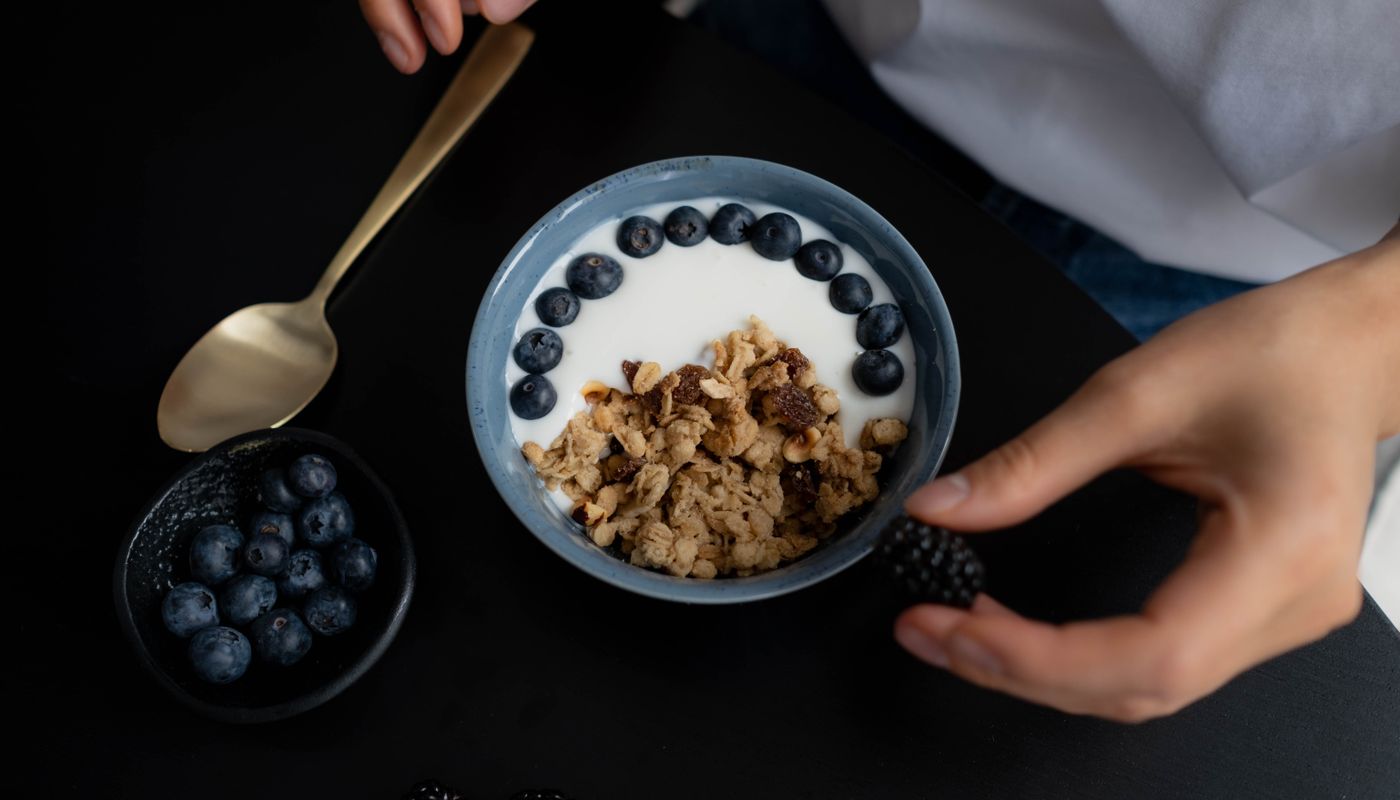
Now look at what the NHS and Kent Community Health NHS Trust actually recommend for smarter snacking. One oat cake, just 45 calories. Twelve almonds, 80 calories. A little pot of blueberries with yoghurt comes in around 100. It’s not about depriving yourself at all. It’s about knowing what you’re putting in your mouth. Once you can see these numbers side by side, you start to understand the gap between what feels like a small treat and what actually is one.
Quick comparison: common snacks
Here's how some everyday options stack up, using figures from Nutracheck and Kent Community Health NHS Trust:
- Crunchie bar: 190 kcal
- Snickers (62.5g): around 300 kcal
- Chocolate popcorn (80g bag): 413 kcal
- 12 almonds: 80 kcal
- One oat cake: 45 kcal
- 20 small pretzels: around 80 kcal
- Apple with 1 tbsp peanut butter: roughly 150 kcal
Whole foods and sensible portions keep you comfortably under 200. Packaged sweets? They blast right past it in one go.
How snacks add up over a single day
Here’s where the maths gets uncomfortable. Three snacks in a day, morning, afternoon, evening. Each one about 200 calories. That’s 600 calories, just from snacks. NHS guidance puts daily intake around 2,000 for women and 2,500 for men. So those three “small” treats? They’re already 24 to 30 percent of your entire day’s allowance. Before you’ve even sat down for a proper meal.
Harvard’s Nutrition Source says 150–250 calories per snack is a reasonable aim. Fine if you’re sticking to one or two. But most people don’t. Keeping the target lower means the daily total stays manageable. When I actually wrote down what I was eating between meals, no judgement, just watching, I found I was hitting four or five snack moments. Not two. Just seeing that changed what I bought at Tesco and what I reached for at 3pm.
What happens across a week
Multiply that daily surplus by seven. Three 200-calorie snacks a day is 4,200 extra calories every single week. A pound of body fat is roughly 3,500 calories. So those little daily treats, each one feeling like nothing, could in theory add up to more than a pound of weight gain a week. Not trying to scare anyone, it’s just maths.
Reality is messier than a spreadsheet of course. Some days you snack less, some days more. You might skip them entirely on a manic Monday then graze all afternoon on a lazy Sunday. But the pattern matters more than any single moment. If you’re trying to lose weight and the scales just won’t budge, tracking your snacks honestly for even one week can show you exactly where the gap is. Know Diabetes point out that a big portion of certain desserts can top 900 calories, that’s nearly half a day’s intake in one sitting.
The weekly maths
Here's a simple way to see the impact:
- 3 snacks × 200 kcal × 7 days = 4,200 kcal/week
- 3 snacks × 100 kcal × 7 days = 2,100 kcal/week
- Difference: 2,100 kcal saved — over half a pound
Dropping each snack from 200 to 100 calories doesn’t mean going hungry. It means choosing differently: a pot of yoghurt instead of a chocolate bar, an apple with peanut butter instead of cake. The Kent Community Health NHS Trust has a whole list of snacks under 100 calories that shows you’ve got loads of options.
How to count snack calories without becoming obsessive
I’m really not a fan of logging every single thing you eat forever. It’s tedious, and honestly for some people it becomes its own kind of unhealthy. But a short, honest audit? That’s genuinely useful. Try tracking just your snacks for one week. Notebook, phone notes, a free tracker app, whatever works. Write down what you ate and roughly how many calories it had. Doesn’t need to be precise to the gram. A reasonable estimate is fine.
What you’re looking for is patterns. Are you snacking because you’re hungry or because it’s a habit? Do your biggest-calorie snacks match up with the ones you actually enjoy, or are they just the things you grab without thinking? Harvard’s Nutrition Source suggest a general rule of thumb, aim for around 150–250 calories per snack. That’s a practical range. If your audit shows you’re consistently over that, you’ve found your opportunity. You don’t need to cut snacks out entirely. Just adjust what and how much you’re reaching for.
A simple one-week snack audit
- Day 1–7: Write down every snack and its approximate calories.
- End of week: Add up the total. Divide by seven for your daily snack average.
- Compare: Is it above or below the 150–250 kcal range Harvard recommends?
- Adjust: Swap one high-calorie snack per day for a 100-calorie alternative.
- Repeat: Track for one more week to see the difference.
This isn’t about guilt. It’s about information. Once you know your numbers you can make choices with your eyes open.
Swapping smart: lower-calorie snacks that actually taste good
This is where most articles just fall apart. They tell you to eat celery sticks and be grateful. It’s not realistic, and it’s not what the NHS suggests either. Lower-calorie snack lists include blueberries with yoghurt, apple with peanut butter, and cottage cheese with tomatoes on a rice cake. These aren’t punishment foods. They’re properly satisfying options that just happen to be lower in calories.
Kent Community Health NHS Trust list things like one oat cake at 45 kcal, 12 almonds at 80 kcal, and 20 small pretzels at roughly 80. BBC Food have put together a list of snacks at 50 calories or less, with items you can scale up if you want a bit more. WebMD suggest six whole-grain pretzel sticks as a sub-100-calorie option that’s low in fat and sugar but gives you over 3g of fibre. The point is lower calorie doesn’t have to mean less enjoyable. You’re just making slightly different choices.
My favourite swaps
These are swaps I’ve found actually work in practice. Taste is personal, your mileage will vary, but this is a decent starting point:
- Instead of a chocolate bar (190+ kcal): Try a small pot of Greek yoghurt with a handful of berries (around 120 kcal).
- Instead of a slice of cake (200–250 kcal): Have an apple sliced with a tablespoon of peanut butter (roughly 150 kcal).
- Instead of a bag of crisps (150–200 kcal): Go for 12 almonds or a couple of oat cakes (80–90 kcal).
- Instead of chocolate popcorn (413 kcal per 80g bag): Air-pop your own popcorn and season with a pinch of salt (around 100 kcal for a generous bowl).
None of these need special ingredients or hours in the kitchen. Most you can just pick up from the supermarket on your usual shop.
When snacking actually helps with weight loss
This catches people off guard: snacking isn’t the enemy of weight loss. Planned snacking can actually support it. Leave too long between meals and you’ll turn up to lunch or dinner so ravenous you overeat. A 100-calorie snack between meals takes the edge off, helps you make calmer, more measured choices when you sit down. The NHS acknowledge that healthier snacking can be part of a balanced way of eating.
The key word is planned. Unplanned snacking, the biscuits in a meeting, the extra pudding just because it’s there, the grazing while cooking dinner, that’s where the calories creep in. Harvard’s Nutrition Source frame it well: aim for 150–250 calories per snack, and pick foods that combine fibre, protein, or healthy fats to keep you satisfied. A string cheese, fruit with nut butter, a small portion of hummus with veg sticks. All fit that pattern. The difference between snacking that helps and snacking that hinders is whether you chose it or just fell into it.
Frequently asked questions
Is 200 calories too much for a snack?
Depends how many snacks you’re having and where your total daily intake sits. Harvard’s Nutrition Source put 150–250 calories per snack as a general guide. One or two a day within your overall needs, 200 is fine. Three or four though, and those 200-calorie portions pile up fast. Aiming for around 100 calories per snack is a better way to keep things under control.
Which snack is lowest in calories?
Kent Community Health NHS Trust say one oat cake is just 45 calories. BBC Food list several options at 50 calories or less, small portions of fruit and veg-based stuff mainly. For something with a bit more heft, 12 almonds come in at around 80 calories. The NHS have various homemade snack ideas that stay well under 100 a portion too.
Is eating snacks good for weight loss?
It can be, if they’re planned and portioned. The NHS back healthier snacking as part of a balanced diet. A small, well-chosen snack between meals stops the kind of hunger that makes you overeat at the table. The trick is picking snacks that actually satisfy, things with fibre, protein or healthy fats, rather than just grabbing whatever’s nearest. Unplanned grazing is where most people come unstuck.
Is four snacks a day too much?
Not necessarily, but it depends what those snacks are and how your daily total adds up. Four snacks at 100 calories each is 400, manageable in a 2,000-calorie day. If each is closer to 200 or 250, you’re looking at 800 to 1,000 calories from snacks alone. Track your snack calories for a few days to see where you actually land, then adjust.
How many calories should I eat in snacks per day for weight loss?
No single answer, because it depends on your meals, activity level, and goals. As a working guideline though, Harvard’s Nutrition Source suggest 150–250 calories per snack, one to two snacks a day being a reasonable baseline. The NHS emphasis on 100-calorie snacks is about keeping the total manageable. If your meals already sit close to your daily target, lower-calorie snacks give you the most room to play with.
What are some healthy low-calorie snacks I can buy at the supermarket?
Lower-calorie options include blueberries with yoghurt, apple with peanut butter, cottage cheese with tomatoes on a rice cake, all around 100 calories. Kent Community Health NHS Trust list oat cakes, small bags of certain crisps like Pom Bear at 79 kcal, and measured portions of nuts. WebMD suggest whole-grain pretzel sticks as a fibre-rich option under 100 calories. Most supermarkets stock all of these or close equivalents.
The bottom line
200 calories on its own isn’t much. But three or four of those a day, every single day, turns a harmless-looking treat into thousands of extra calories each week. The maths is simple and there’s no getting round it: if you’re eating more than you’re burning, the scales won’t move the way you want.
You don’t have to give up snacking. You don’t have to track every bite forever either. What you do need is one honest week of counting your snack calories, just snacks, to see where you actually stand. Write it down, add it up, and compare it to the 100-calorie target the NHS recommends. Then swap one high-calorie snack a day for something from a lower-calorie list. That single change, done consistently, is enough to shift the weekly numbers in your favour. Start today: grab a notebook, and write down what you eat between meals. The numbers will tell you the rest.