Skin Care After 30: Real Advice for a Better Complexion
TL;DR — The shift your skin goes through in your 30s is legit, but the fix is straightforward. You really just need to nail a few core steps with the right active ingredients. This guide lays out exactly what works, based on what dermatologists and beauty editors actually recommend.
Key takeaways
- A simple routine is more effective than a complicated one.
- Consistency with sunscreen is the single biggest thing you can do.
- Antioxidants like vitamin C are your daytime defenders.
- Nighttime is for repair, so retinol becomes your friend.
- Good skin health is a mix of what you put on it and how you live.
The changes to your skin in your 30s aren't just in your head, but the answer to them is more simple than a lot of people make out. After thirty, your skin’s natural renewal process slows down, and you start noticing the first fine lines, maybe some uneven tone or just a general dullness. A consistent, targeted skincare routine can genuinely make a big difference though. This guide breaks down the specific steps and ingredients that dermatologists and beauty editors say work best for keeping skin healthy and strong from your 30s onwards.
You really don’t need a dozen pricey products. A routine like the one outlined by Boots shows a solid morning start can be as simple as a cleanser, serum, moisturiser, and sunscreen. Evenings are for cleansing, putting on a treatment serum, and moisturising. The real key is sticking with it and choosing the right actives for how your skin is changing. Think of it as preventative maintenance for your largest organ.

Your Core 30s Routine: The Four Pillars
Building a skincare routine after thirty doesn't need to be complicated, just smart. L'Oréal Paris says the foundation is cleansing, moisturising, and protecting. You should cleanse every day to get rid of impurities, use a toner and exfoliate to manage texture, treat the delicate eye area, and put on an anti-ageing serum followed by a moisturiser to seal in hydration.
This four-step approach—cleanse, treat, moisturise, protect—is one that lots of sources get behind, including Olay and Women's Health. The point is to have a simple, repeatable morning and evening ritual. Don't be tempted to skip steps. As Charlotte Tilbury’s guide points out, every step has its job, from a deep, hydrating cleanse right up to that final, must-have magic moisturiser.
Your Morning Checklist
- Step 1: Gentle Cleanser. Start with a clean canvas. Use something that won’t strip your skin.
- Step 2: Antioxidant Serum. This is your daytime defence. Apply a few drops of a vitamin C serum.
- Step 3: Moisturiser. Hydrate and help strengthen your skin barrier.
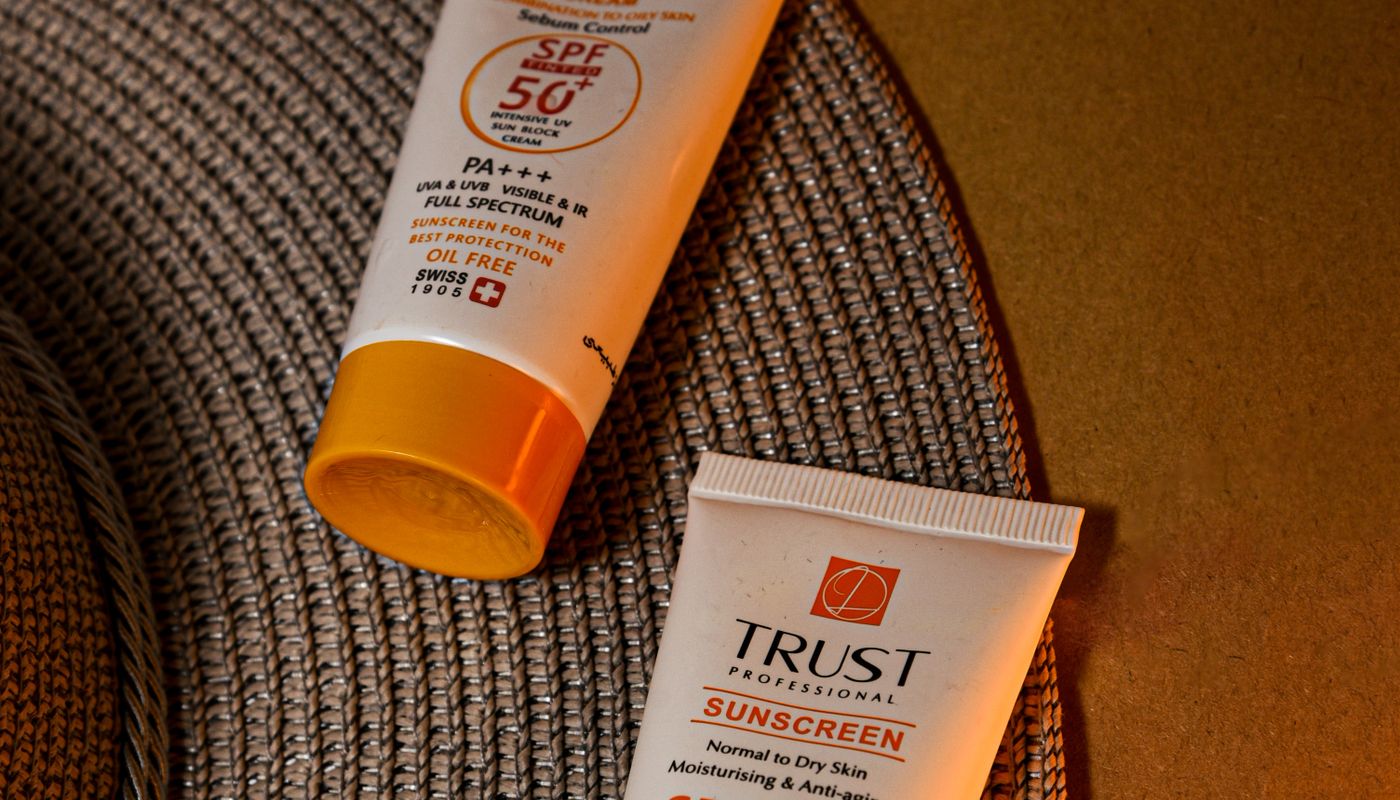
- Step 4: Sunscreen (SPF). This is non-negotiable. Slap on a broad-spectrum SPF as your final step, even when it’s cloudy in the UK.
Why Antioxidant Creams and Serums Matter
As we get through our 30s, our skin needs more help fighting off environmental damage. That’s where antioxidant-rich products come in. They help neutralise free radicals from pollution and UV, which are big reasons for premature ageing. A vitamin C serum, recommended for the morning by places like skininspired.in and nymag.com, is a powerhouse for brightening things up and offering protection.
You won't necessarily have to spend loads either. Plenty of decent antioxidant serums are on the high street. Look for ones that also have vitamin E or ferulic acid in them, as these can make the formula more stable and effective. The main thing is using it regularly. A small amount, patted gently over your face and neck after cleansing, does the trick. It’s kind of like giving your skin a daily vitamin drink.
Don’t Forget Your Eyes and Night Care
The skin around your eyes is thinner and shows tiredness and age first. According to Bryn Mawr Dermatology, using a proper eye cream is a key anti-ageing move for your 30s. An eye cream with peptides or, if your skin is okay with it, a low-dose retinol, can help with fine lines and dark circles. Dab it on gently with your ring finger so you don’t pull.
Your nighttime routine is for repair. This is when you can bring in more potent treatments. New York Magazine’s The Strategist explains that retinol, which is a vitamin A derivative, is the gold standard for pushing cell turnover and collagen production. It’s a step-up from the basics. Always apply it after your serum but before your moisturiser. Begin with a low concentration once or twice a week to see how your skin handles it.
Addressing Common Concerns: Oiliness and Budgets
Getting into your 30s doesn’t mean your skin type does a total 180. If you’ve got oily or combination skin, you still need to keep oil in check without over-drying it. ESPA Skincare suggests exfoliating once or twice a week to keep pores clear. Go for a gentle chemical exfoliant with salicylic acid rather than a harsh physical scrub, which can cause little tears.
Building an effective routine without spending a fortune is totally doable. You don’t need every single product from some luxury line. Focus your spending on a good antioxidant serum and a reliable sunscreen. For the basics like cleansers and moisturisers, loads of dermatologists, as cited by brynmawrdermatology.com, agree that gentle, fragrance-free options from pharmacy brands work perfectly well. The best skincare routine for your 30s is honestly just the one you’ll actually stick to.
The Role of Hydration and Lifestyle
Putting stuff on your skin is only part of it. How your skin looks is a reflection of your overall health. Trinny London’s guide says managing stress and staying hydrated are fundamental. Dehydration can make fine lines stand out more and leave skin looking pretty dull. Try to drink water steadily all day—maybe keep a reusable bottle handy as a reminder.
Sleep is another thing you can’t skip. Your skin does its repair work overnight, so getting a solid seven to eight hours is one of the most effective (and free) things you can do for it. Your diet matters too. Foods with lots of omega-3 fatty acids (like oily fish) and antioxidants (think berries and leafy greens) back up skin health from the inside. These lifestyle bits amplify what your topical routine is doing.
The 4-2-4 Cleansing Method Explained
The "4-2-4 rule" is a cleansing technique people talk about a lot. It goes like this:
- 4 minutes: You massage an oil-based cleanser onto dry skin to break down makeup and sunscreen.
- 2 minutes: Then you apply a water-based cleanser over the oil to emulsify and lift everything away.
- 4 minutes: Finally, rinse thoroughly with lukewarm water.
It’s not something everyone needs to do daily, but it can be a good deep-cleansing thing to do once a week, especially if you wear heavy makeup.
Frequently asked questions
Q: What should my skincare routine be at 30?
A: A simple, effective routine is a gentle cleanser, an antioxidant serum (vitamin C is great) in the morning, a moisturiser, and daily sunscreen. At night, cleanse, apply a treatment serum like retinol if your skin gets on with it, and moisturise. Boots suggests this makes a solid foundation.
Q: Is 30 too late for retinol?
A: No, not at all. Your thirties are often a perfect time to start with a low-strength retinol to tackle early signs of ageing. Go slowly, using it once or twice a week, and always follow up with a moisturiser to help stop any irritation.
Q: How to look 10 years younger at 30?
A: There’s no secret trick, but being consistent with sun protection is hands down the most effective way to stop premature ageing. Couple that with a routine using antioxidants and retinol, and make sleep and hydration a priority for a healthier, more radiant look.
Q: What is the 4-2-4 rule in skincare?
A: It’s a detailed cleansing method where you spend 4 minutes with an oil cleanser, 2 minutes with a water-based one, and 4 minutes rinsing. For most people, it’s more of a weekly deep-clean treatment than a daily must.
Q: What’s a good routine for oily skin in your 30s?
A: Stick to the core steps but pick lightweight, non-comedogenic formulas. A gel or foaming cleanser, a salicylic acid serum to manage oil and exfoliate, and an oil-free moisturiser are a good combo. ESPA Skincare says to exfoliate once or twice a week.
Q: Can I do a good routine on a budget?
A: You definitely can. Put your money into a quality antioxidant serum and a reliable SPF. For cleansers and moisturisers, there are plenty of effective, dermatologist-recommended options from high-street brands. Using affordable products consistently beats using expensive ones only now and then.
The bottom line
Your skin after 30 thrives on consistency, not on having a million products. The most impactful change you can make right now is to commit to putting on a broad-spectrum sunscreen every single morning, without fail. This one habit, as pointed out by sources from Cosmopolitan to espaskincare.com, is your best defence against the fine lines, dark spots, and loss of elasticity that come with time. Pair it with a simple cleanse-treat-moisturise routine, and you’re giving your skin all it needs to stay healthy and strong for the decade ahead. Your future self will thank you for starting now.