The Benefits of Colon Cleansing
TL;DR — I gave an organic colon cleanse a go to tackle my bloating and general sluggishness. I did feel a bit lighter and less weighed down, but the results I got might've been short-lived, and it's important to get your head around the risks and the lack of proven benefits before trying one.
Key takeaways
- There's no evidence that colon cleansing offers the health benefits often claimed, such as removing toxins or boosting energy.
- A systematic review and meta-analysis published on PubMed found that colonic cleansing for general health is not supported in the published literature and cannot be recommended.
- The colon already removes waste and bacteria efficiently, making most cleansing products unnecessary.
- Potential risks of colon cleansing include cramping, bloating, nausea, and, in rare cases, more serious issues like bowel perforation.
- If you're considering a cleanse for persistent digestive issues, it's worth speaking with your GP first to rule out underlying conditions.
I've been feeling bloated, tired, and just generally sluggish for a while now. The marketing for these cleanses kept popping up everywhere, promising a total reset, so I got curious. I decided to try a 14-day herbal kit from the high street, sticking to the instructions exactly as they were written. My aim wasn't dramatic weight loss, I just wanted to see if I'd feel lighter or have more energy, like the packet said I would.
What I found out pretty quickly is that how I felt personally doesn't match up with what the science says. Once I started digging into the research myself, the evidence is very clear: there's no good evidence colon cleansing actually improves your health. So I'm going to share what happened to me, but I want to be straight with you that this is just one person's story. If you've got ongoing health issues, talking to your doctor is always the first and best move.

What Actually Happened During My 14-Day Cleanse
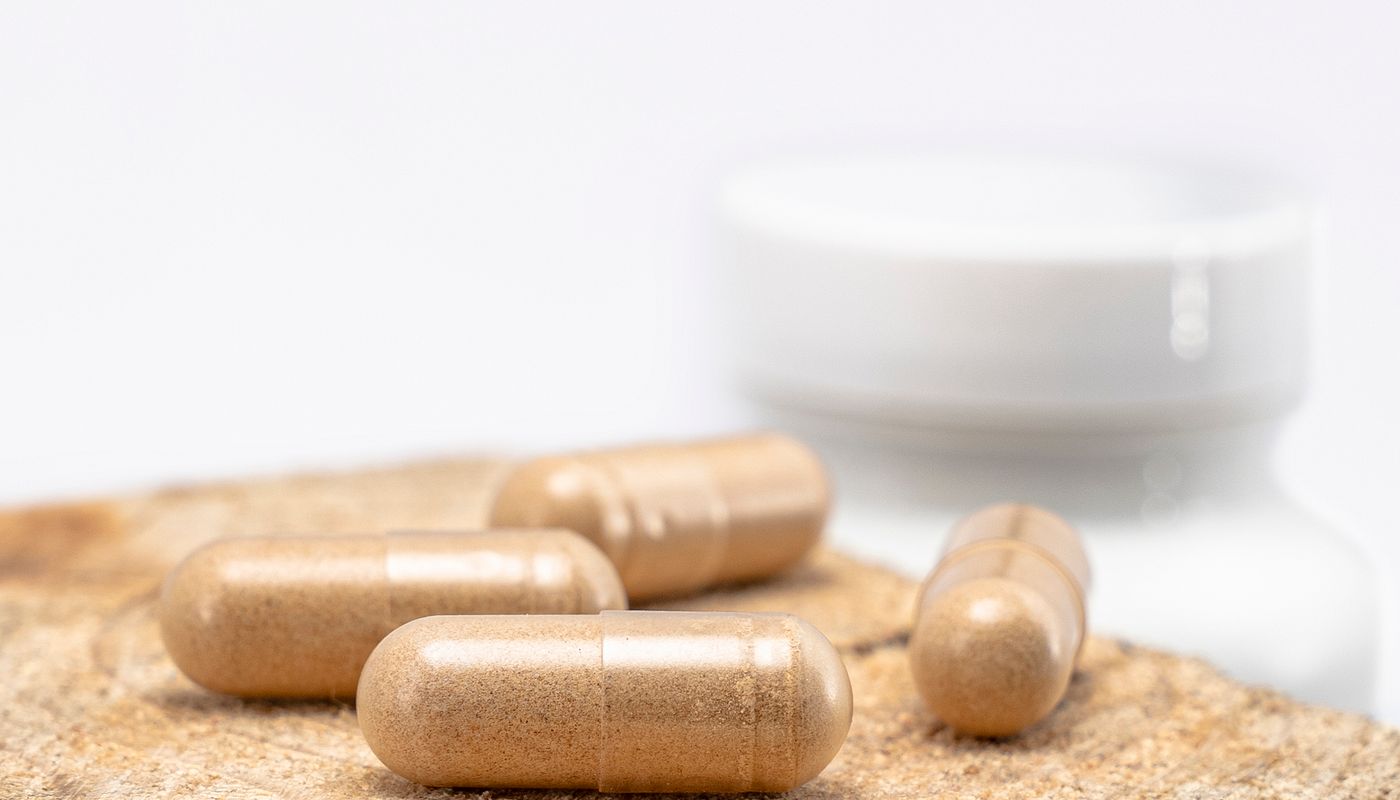
I kicked things off on a Monday. The routine was two herbal capsules with water before bed and a powdered fibre drink first thing in the morning. The ingredients list was pretty standard stuff—psyllium husk, flaxseed, a herb blend with things like cascara sagrada and fennel in it. First couple of days, nothing really happened. By day three though, I was definitely visiting the loo more often, which I'd expected. The stool was looser and honestly, there was just more of it than usual. No painful cramping for me, but there was this distinct feeling of being "emptied out."
After the first week, the bloating I'd been dealing with had gone down noticeably. My stomach felt flatter, my trousers actually fit better round the waist. I felt less heavy after meals too. I also seemed to have a bit more energy in the afternoons, although that could've easily been placebo or just because I was paying way more attention to what I was eating during those two weeks. I made a point of drinking loads of water—well over two litres a day—to keep dehydration at bay, which is a genuine risk with these products.
Second week was much of a muchness, but the improvements seemed to level off. I wasn't getting any less bloated, and the energy lift wasn't as strong. When the fourteen days were up, I stopped taking the capsules and powder. Within a couple of days, my digestion was back to its normal, slightly slower pace. That flat-tummy feeling disappeared and the bloating crept back in gradually. It was pretty clear any changes were temporary and not some lasting fix for my digestion.
What the Science Actually Says About Colon Cleansing
This is where my own story runs smack into the wall of actual evidence. Colon cleanse products make huge claims—detoxification, immune system boosts, weight loss, more energy. But there's no evidence that colon cleansing offers these benefits. Your colon is already built to get rid of waste and bacteria. The whole idea it's harbouring pounds of toxic sludge that needs flushing is basically a myth.
A 2009 academic review I found cited on PubMed came to the same conclusion. The authors wrote that "the practice of colonic cleansing to improve or promote general health is not supported in the published literature and cannot be recommended." The liver and kidneys are your body's real detox organs. The colon is part of the system, sure, but it doesn't need some special product to do its job. There's no scientific evidence to back up the theory about toxin removal.
Now, this doesn't mean every single ingredient in a cleanse is pointless. Things like psyllium husk, a fibre supplement, are proven to help with regularity and constipation. But you can get psyllium husk on its own for a fraction of the price of a branded "cleanse" kit. The specific combination of herbs and the whole "detox" marketing angle are what lack scientific support. That feeling of being lighter I had? It was almost certainly down to the increased fibre and water intake, not any magical toxin removal.
Are There Any Real Benefits? A Balanced Look
So if the science doesn't back up the main claims, what was going on with me? It's worth separating the marketing hype from what might physically happen. The most concrete benefit I got was relief from bloating. This is probably because the fibre in the cleanse worked as a bulking agent, helping stuff move through my system better and reducing that backed-up, heavy feeling. If you're someone who gets occasional constipation, a short-term fibre supplement could give you similar relief, honestly.
There's also the mental side of doing a "reset." Committing to a 14-day programme made me much more mindful of my eating and drinking. I cut back on processed stuff, drank more water, ate more veg—changes that would make most people feel better. The cleanse acted as a starting gun for these healthier habits, but the habits themselves were probably the real reason my energy improved and the bloating went down.
That said, for every person who feels better, there's a risk of side effects. These can be anything from mild cramping and nausea to worse things like dehydration and electrolyte imbalances. In very rare cases, using equipment wrong or having an overly aggressive herbal mix can lead to bowel perforation, which is a medical emergency. My own experience was pretty mild, but there's no guarantee it'll be that way for everyone.
How to Support Your Digestive System Naturally
Instead of forking out for a packaged cleanse, what can you do day-to-day to keep your digestion happy? The answer is way simpler and cheaper. Focus on the basics your GP and a dietitian would tell you about. First up, increase your fibre intake gradually. Go for a mix of soluble fibre (think oats, apples, beans) and insoluble fibre (whole wheat, nuts, vegetables). Most people could benefit from around thirty grams of fibre a day, though many of us fall short on that.
Second, drink enough water. Water is what lets fibre do its job properly. Without enough liquid, high-fibre foods can actually make constipation worse. Aim for six to eight glasses of fluid a day, water being your best bet. Third, get moving regularly. Physical activity helps stimulate the natural contraction of your intestinal muscles, which aids in moving stool through your colon.
Lastly, pay attention to what your body's telling you. If you're constantly bloated, in pain, or you've noticed a change in your bowel habits that's stuck around for more than a few weeks, don't try to self-diagnose or fix it with a cleanse. Book an appointment with your GP. Persistent symptoms could point to something like IBS, food intolerances, or other conditions that actually need proper medical investigation.
What Comes Out During a Colon Cleanse?
People ask this a lot, and it's pretty straightforward: mostly stool, water, mucus, and gas. The idea you'll expel pounds of encrusted waste or "parasites" is largely marketing fiction, frankly. Your bowel isn't a dirty drainpipe that gets coated in layers of old faeces. What you see is what was currently in your colon, plus extra water and the bulk from the fibre supplement. The increased frequency and volume are a direct result of the laxative effect many herbal ingredients have and the osmotic effect of the fibre powder drawing water into the bowel.
Does a Colon Cleanse Flatten Your Stomach?
From what I experienced, it did—temporarily. The reduction in bloating and gas can make your stomach look flatter for a short while. But this isn't fat loss. Any weight lost during a cleanse is typically water weight and stool weight, which comes back as soon as you go back to your normal diet and hydration. For lasting changes to your midsection, you'd need to focus on consistent dietary habits and exercise, not a quick-fix cleanse.
Frequently asked questions
Q: Does a colon cleanse really work?
A: It depends on what you mean by "work." For giving temporary relief from bloating and constipation because of its fibre and laxative content, it might seem to work. But for the main claims of detoxifying your body, boosting your immune system, or causing lasting weight loss, there's no scientific evidence to back those effects up.
Q: What happens to your body after a colon cleanse?
A: Most people report feeling less bloated and lighter for a short time. But the body's natural rhythm returns to normal pretty quickly. Any changes in bowel habits are usually temporary. There are no proven long-term health benefits. Potential side effects can include dehydration, cramping, and, in rare cases, electrolyte imbalances.
Q: Is it safe to do a colon cleanse at home?
A: Over-the-counter herbal capsules and powders carry the risks of side effects like nausea and cramping. Home colonic irrigation kits are riskier, as improper use can lead to infection or, in very rare instances, bowel perforation. There's a notable lack of good-quality published evidence of any health benefit, which makes the risk-benefit ratio unfavourable for most people.
Q: What is the best colon cleanse for weight loss?
A: No colon cleanse is proven to cause lasting fat loss. Any weight lost is typically water and stool weight that returns quickly. For sustainable weight management, a balanced diet and regular physical activity are recommended, not cleansing products. Focusing on whole foods and fibre will support your digestion as part of a healthy lifestyle.
Q: Are there 40 signs you need a colon cleanse?
A: This is a common marketing phrase, not a medical diagnostic tool. The signs often listed—like fatigue, bloating, or skin issues—are vague and can be linked to dozens of different causes, from stress to diet to medical conditions. If you're experiencing persistent symptoms, the best course of action is to see your GP for a proper evaluation, not to assume you need a cleanse.
Q: What is a natural colon cleanse?
A: A "natural colon cleanse" usually refers to using dietary changes, herbal teas, or fibre supplements to promote bowel movements. While increasing fibre and water is a healthy, natural way to support digestion, many commercial "natural" products still contain potent laxatives. A truly natural approach is simply to eat a high-fibre diet, stay hydrated, and exercise regularly.
The bottom line
My organic colon cleanse review taught me that the feeling of a quick fix is pretty seductive, but it doesn't last. The real, lasting benefits for my digestion came from the habits I built during that time: eating more vegetables, drinking more water, and moving my body. The cleanse itself was an expensive way to get some extra fibre. The scientific consensus is clear: there's no evidence these products deliver on their detox or health-boosting promises.
If you're feeling sluggish or bloated, your action step for today is simple. Don't reach for a cleanse kit. Instead, have a glass of water, add a portion of vegetables to your next meal, and take a fifteen-minute walk. These small, consistent actions are what truly support your body's natural systems, without the cost or the unproven risks of a colon cleanse. If symptoms persist, book a chat with your doctor.