Healthy Tea Ingredients: What to Add to Your Daily Cup
TL;DR — Throwing a bit of lemon, honey, ginger, mint, or turmeric into your tea can genuinely boost the flavour and maybe even do you some good. Loads of herbal teas—made from dried fruits, flowers, spices, whatever—actually contain polyphenol antioxidants, Healthline reckons they support your overall health. A cup of green tea with ginger when it's cold out, or iced tea with basil and lemon when it's hot, can really turn a basic brew into something nice.
Key takeaways
- Healthline notes that herbal teas are made from dried fruits, flowers, spices, or herbs and may contain polyphenol antioxidants that support overall health.
- BBC Good Food features healthy tea recipes using ingredients like turmeric, green tea with strawberry and peach, and rooibos with pear.
- A simple recipe from Wellness Mama suggests mixing chamomile, mint, and catnip herbs in hot water and steeping for five minutes.
- Health Harvard lists the health benefits of three popular herbal teas, highlighting the properties of tisanes.
- WebMD identifies flavonoids, catechins, and polyphenols as key components found in tea that contribute to its health profile.
What you put in your tea is what turns it from just a comforting drink into something that might actually do your body a favour. Past the usual milk and sugar, there's a whole world of herbs, spices, fruits, and natural sweeteners out there, each one adding its own taste and possible benefits to your cup. If you're after supporting your digestion, getting some antioxidants in, or just fancying a more interesting flavour, you probably already have the right bits and pieces in your kitchen cupboard.
This isn't about complicated concoctions or hard-to-find superfoods. It's about practical, everyday tweaks that anyone can give a go. A squeeze of lemon in your morning green tea or a slice of ginger in your afternoon brew—small changes that actually make a noticeable difference. We'll look at the most popular and easy-to-get ingredients, how to use them, and even a few simple recipes to try, drawing from trusted sources like BBC Good Food and Healthline to make sure the info's reliable.

The Foundation: Choosing Your Tea Base
Your healthy tea starts with the base. That's the liquid that's going to carry all the flavours you add. There's two main types: true teas, from the Camellia sinensis plant, and herbal teas, which are technically tisanes. True teas—green, black, white, oolong—they're rich in their own compounds. Healthline says these teas "may contain polyphenol antioxidants that support overall health." Flavonoids, catechins, and polyphenols are the key components found in tea, according to WebMD.
Herbal teas, as Health Harvard puts it, "are made from tisanes, which are blends or infusions of dried fruits, flowers, spices or herbs in water." So a peppermint tea or chamomile tea is naturally caffeine-free and comes with a different range of properties. The base you pick will influence the final taste and what you might get out of it. Rooibos, for example, featured in BBC Good Food's recipes, is a popular herbal base that's known for being naturally sweet and nutty.
Classic Additions: Lemon, Honey, and Ginger
These three are the cornerstones of a healthy tea for good reason. A slice of lemon brings a bright, citrusy kick and some vitamin C. Ginger—whether it's fresh grated or those dried chips—gives you a warming, slightly spicy note that lots of people find soothing. Feasting at Home's recipe uses ginger chips, which are a common ingredient in homemade herbal blends. Honey works as a natural sweetener, but it's worth being mindful about how much you use. Maggie's recipe for a simple tea calls for "manuka honey to taste," but honestly, for most daily cups a small spoonful of regular honey is fine, or just skip it altogether.
The combination is classic for a reason. It's straightforward, you can get the ingredients in any supermarket, and the flavour's universally appealing. You can tweak the ratios to your taste—more lemon if you like tart, more ginger for heat, and just a touch of honey if you need it. This trio works just as well with green tea, black tea, or a simple herbal base like chamomile or rooibos.
Herbal Heroes: Mint, Chamomile, and Beyond
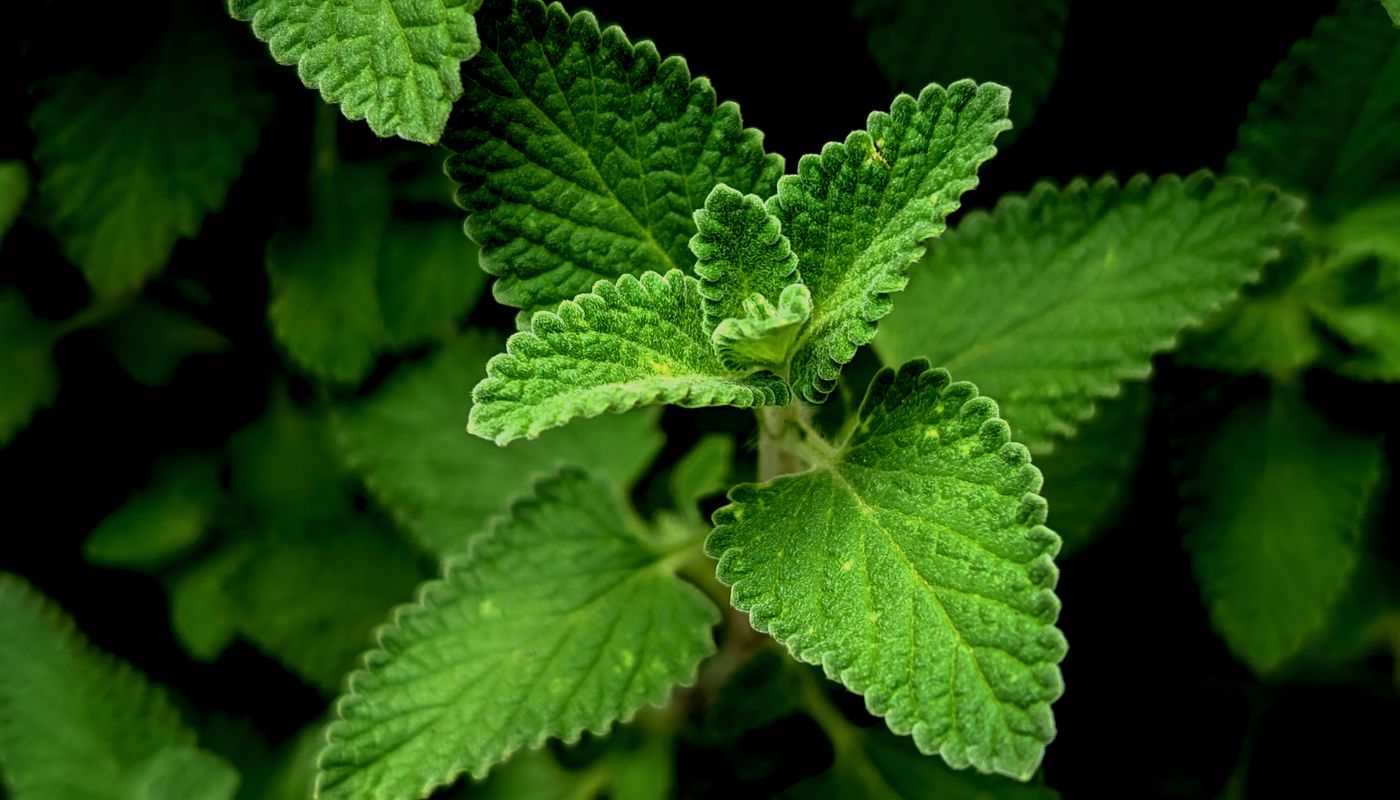
Once you move past the classics, there's a whole world of herbs that can give your tea a new character. Mint is incredibly refreshing, especially as an iced tea in summer. Chamomile is widely enjoyed for its calming, apple-like flavour—people tend to drink it in the evening. The Wellness Mama recipe for a "delicious herbal tea" combines chamomile, mint, and catnip, steeping for five minutes to create a relaxing blend.
Other herbs worth exploring include lemongrass for a citrusy note, hibiscus for a tart, ruby-red infusion, and rosemary for a piney, aromatic touch. The Grizzly Forager's guide to basic herbal tea methods makes it simple: "all you really need is a plant and some hot water." Fresh herbs from your garden or dried versions from the supermarket both work. Start with a teaspoon of dried herbs per cup, or a small handful of fresh leaves, and adjust from there.
Spicing It Up: Turmeric, Cinnamon, and Cloves
Spices don't just add flavour; they can also bring warmth and depth to your brew. Turmeric is a standout, featured prominently in BBC Good Food's healthy tea recipe collection. Its earthy, slightly bitter taste pairs well with black pepper and a fat source like a splash of milk to aid absorption. Cinnamon—in stick or ground form—gives you a sweet, woody warmth without any sugar.
Cloves are another powerful spice. The Maggie's recipe uses just two cloves to add a pungent, aromatic quality to a rooibos and echinacea blend. You can experiment by adding a single cinnamon stick or a few whole cloves to your tea infuser along with your tea leaves. These spices work particularly well in autumn and winter blends, creating a comforting, fragrant cup that feels like a treat. Remember, a little goes a long way with strong spices.
Fruit and Floral Infusions for Flavour
For a naturally sweet and colourful tea without added sugar, turn to fruits and flowers. Dried berries, apple pieces, or citrus peel can be added to your tea leaves before brewing. The BBC Good Food recipe for "Green tea with strawberry & peach" is a perfect example, creating a fruity, refreshing drink. Similarly, "Rooibos & pear tea" combines the herbal base with a sweet fruit element.
Floral additions like dried lavender, rose petals, or chamomile flowers (which are also an herb) add a delicate, aromatic dimension. They are especially lovely in light green or white teas. As with all additions, start with a small amount—a teaspoon of dried fruit or a pinch of flower petals per cup—as their flavours can become potent. These infusions are a fantastic way to make drinking water more interesting and to use up any dried fruits you have in the pantry.
How to Make Your Own Healthy Tea Blend
Creating your own blend at home is simple and rewarding. The Feasting at Home recipe for a herbal blend provides a clear template: it lists specific quantities like "1 cup roasted dandelion root, 1/4 cup roasted chicory root, 2 tablespoons ginger chips." You don't need to follow this exactly, but it shows the principle of mixing different dried ingredients.
A Simple Method for Blending
Pick a base herb to start—peppermint or chamomile work well. Then throw in one or two complementary ingredients, like ginger chips for warmth or dried lemon peel for zest. Combine them in a jar. For each cup, use one to two teaspoons of your blend in a tea infuser or teapot, add boiling water, and steep for five to ten minutes, depending on the ingredients. The Akshar Herbs and Spices recipe for a mint and green tea blend uses fresh mint leaves, showing you can incorporate fresh ingredients too. Strain and enjoy.
Healthy Tea Recipes for Every Occasion
You can tailor your tea to your needs or the time of day. For a morning pick-me-up, a green tea base with lemon and ginger is a great choice. For an afternoon refreshment, try an iced tea made with a herbal base like hibiscus or peppermint, sweetened with a little fruit juice. The EatingWell collection of healthy tea recipes includes ideas like mint, orange, and pomegranate tea—perfect for summer.
For a calming evening drink, chamomile with a touch of lavender or catnip, as suggested by Wellness Mama, can be a wonderful wind-down ritual. The ASweetPeachef recipe for "Lemon Basil Iced Tea" uses green tea bags, fresh basil leaves, and lemon slices for a sophisticated, unsweetened option. The key is to experiment. Keep notes on what combinations you like, and don't be afraid to try something new. Your perfect cup is a matter of personal taste.
Frequently asked questions
What is the healthiest thing to put in tea?
There's no single "healthiest" thing—it really depends on what you're after. Lemon adds vitamin C, ginger might help with digestion, and herbs like mint are just refreshing. Healthline notes that herbal teas themselves "may contain polyphenol antioxidants." The healthiest choice is often the one that helps you enjoy tea without relying on added sugar.
What can I make for a healthy tea?
You can make a simple infusion with hot water, a tea bag, and a slice of lemon. Or try a blend like the one from Wellness Mama: mix chamomile, mint, and catnip, steep for five minutes. Using ingredients like ginger, turmeric, or berries from BBC Good Food's recipes is another great way to start.
What are the top 10 healthiest teas to drink?
Lists vary, but common healthy teas include green tea, chamomile, peppermint, ginger, rooibos, hibiscus, echinacea, turmeric, lemon balm, and white tea. Each has different properties. It's best to choose teas you enjoy drinking regularly as part of a balanced diet.
How to make your own healthy tea?
The Grizzly Forager's advice is simple: "all you really need is a plant and some hot water." Choose a base herb or tea leaf, add complementary ingredients like dried fruit or spices, and steep in hot water for 5-10 minutes. Strain and enjoy. You can find inspiration in recipes from sources like Feasting at Home or EatingWell.
Can I make healthy tea with milk?
Yes, you can. Black teas like English Breakfast or Earl Grey are traditionally enjoyed with a splash of milk. Some people also add milk to turmeric tea, as the fat can help with the absorption of curcumin. It's a matter of personal preference and doesn't necessarily negate the tea's benefits.
Are there healthy tea brands I should look for?
Many brands offer quality teas. Look for brands that provide transparent information about their ingredients. Organic options are available, as noted in the "Organic" section of this blog. You can also buy loose-leaf teas and dried herbs from health food shops to make your own blends at home.
The bottom line
The healthiest tea is the one you'll actually drink and enjoy. You don't need exotic ingredients or complicated recipes to start. Begin with something simple today: brew your favourite tea and add a single, fresh slice of lemon or a small piece of grated ginger. Notice how the flavour changes. This one small step can make your daily cup more interesting and potentially more beneficial, turning a routine habit into a mindful moment of healthy living. Keep experimenting from there, using ingredients you have at hand, and let your taste buds guide you towards your perfect, nourishing brew.