Home Exercise Equipment: A Beginner's Guide to Getting Started
TL;DR — You don't need a full gym to get fit. A few affordable, versatile bits of home exercise equipment are all it takes to build a solid routine. Start with basics like dumbbells, resistance bands, and a mat. This guide breaks down what to buy, how to use it, and how to create a simple workout plan you can stick with in your own space.
Key takeaways
- Starting with versatile items like dumbbells, resistance bands, and a stability ball is an effective way to build a home gym.
- A good workout routine for a beginner at home can follow a simple structure like the 3-3-3 rule: three sets of three exercises, three times a week.
- Which? advises that if you're a beginner, start with small weights; resistance bands or weight training could work well.
- You don't need a gym membership to get a respectable workout; the right compact and budget-friendly equipment can help create a routine.
- SportsDirect suggests a gym or yoga mat as a fundamental piece of home exercise equipment to make exercises more comfortable.
Building a workout habit that sticks actually starts with picking the right kit. It does not require a room full of fancy machines or the newest gadgets. The best equipment is often the most straightforward stuff—the kind you will actually use regularly. This guide is here to help you cut through all the noise and pick a few key things that will make up the base of your training, whether you are in a small flat or just a spare bedroom.
The idea that you need a massive budget or a special gym room is just wrong. The Guardian points out a perfectly good workout is doable with compact, budget-friendly kit. We will walk you through the must-haves, how to use them without hurting yourself, and how to put together a basic routine. When you are done reading, you will have a clear idea of what to get first and how to start moving today, with no faffing about.

The Essential Starter Kit
When you are setting up your first bit of space for exercising at home, it is smartest to begin with a handful of items that can do multiple jobs. A core group includes dumbbells or kettlebells, resistance bands, and a stability ball or ab wheel. These things cover loads of different movements—from strength work and core stuff to moving better and being more flexible. You do not have to get everything in one go. Getting just one or two pieces lets you get the hang of them properly and see what you like before spending more.
A question people ask a lot is about the best home exercise equipment for beginners. The answer usually comes down to what feels easy to get hold of. For a lot of folk, a set of light dumbbells—maybe 2kg, 4kg, and 6kg to begin with—and a looped resistance band is a great starting point. This combo, as Factory Weights has noted, helps you get to grips with the fundamentals and build strength bit by bit. The main thing is to pick equipment that fits your current fitness level and what you want to achieve, not what looks good on Instagram.
Your First Purchase: A Yoga Mat
Before you even consider weights, get yourself a decent mat. SportsDirect lists a gym or yoga mat as a basic piece of home exercise equipment, and there is a good reason for that. It gives your knees, back, and wrists some cushioning when you are doing floor exercises, making things like planks, crunches, and stretches a lot more bearable. This is not just about being comfy; a stable, non-slip surface helps you keep good form, which cuts down the chance of getting hurt. Look for a mat that is thick enough—around 6-8mm is a decent starting point—to look after your joints but firm enough that you do not wobble about when you are standing. It is basically your portable, personal workout spot.
Building Your Workout Routine
So you have got your kit. Next you need to know what to do with it. A decent workout routine for a beginner at home does not need to be complex. Many people ask about the "3-3-3 rule" for workouts, which is a simple framework you can change around. It generally means doing three sets of three different exercises, three times a week. For instance, you could build a session around three main movement patterns: a push (like dumbbell presses), a pull (like resistance band rows), and a lower body move (like goblet squats). Doing this full-body routine on days that are not back-to-back lets your body recover.
PureGym's guide for beginners really stresses starting with simple, controlled movements. Get the form right for each exercise before you start thinking about speed or using heavy weights. A basic session could last 20 to 30 minutes. What you are after is consistency, not going all out. A routine you can manage twice a week for months is way better than some heroic hour-long thing you give up on after seven days. Write down your plan for the week—what exercises, what sets, what days—and stick it on your fridge door.
A Sample 20-Minute Starter Routine
Here is a simple plan that only needs a mat and a pair of light dumbbells. Do each exercise for 3 sets of 10-12 repetitions, resting about sixty seconds between sets.
- Goblet Squats (hold one dumbbell at your chest).
- Dumbbell Floor Press (lie on your back).
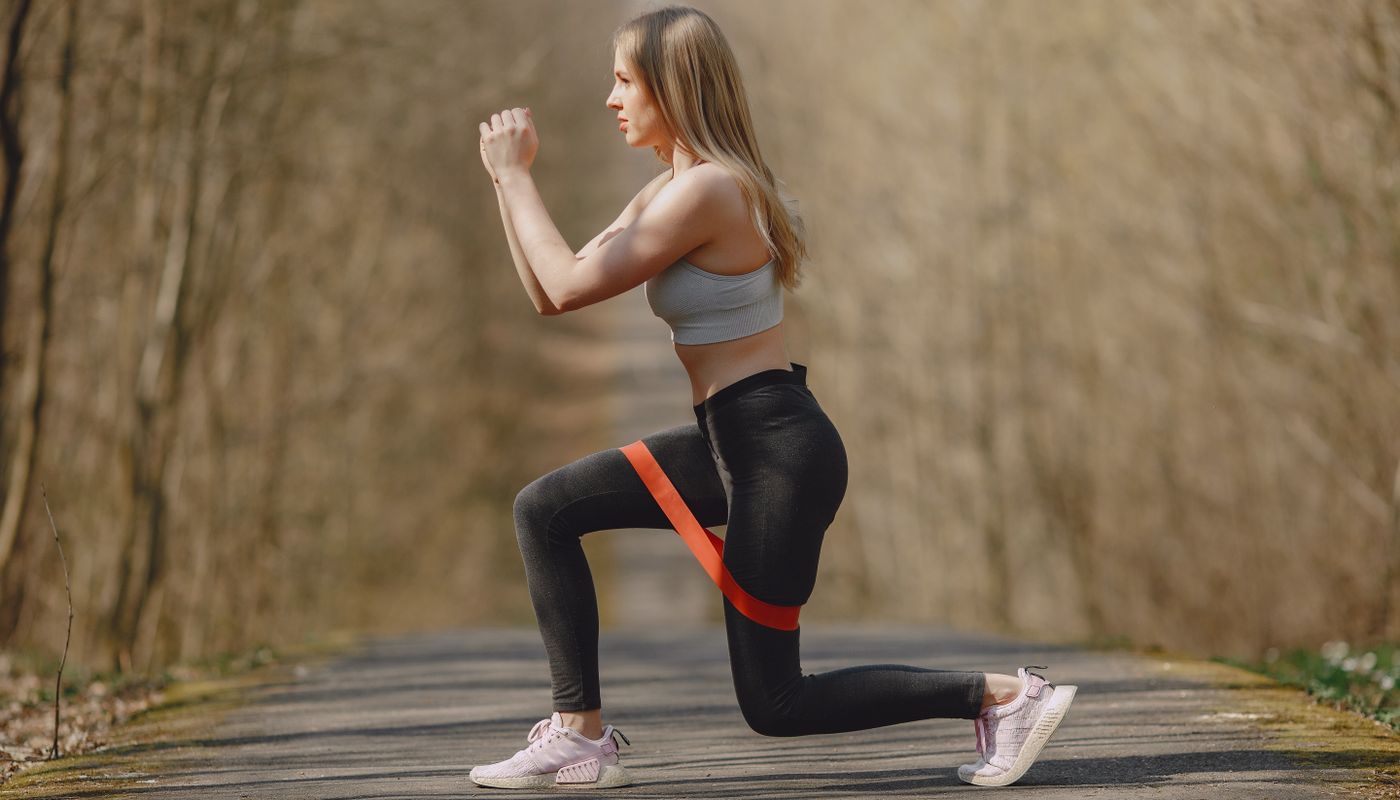
- Resistance Band Seated Rows (loop the band around your feet).
- Glute Bridges (on the mat, bodyweight or with a dumbbell on your hips).
- Plank (hold for 20-30 seconds).
This works all the major muscle groups. As you get stronger, you can increase the weight, the reps, or chuck in a new exercise.
How to Use Your New Equipment Safely
Getting the form right is something you just cannot skip, especially when you are training on your own. A beginner guide from Sweat.com points out how vital it is to start light so you can nail the movement pattern. For dumbbells, this means picking a weight where you can do all your reps with control, without swinging your body or arching your back loads. Watch a tutorial from somewhere you trust—like PureGym's how-to videos—and practice the movement without any weight first. If an exercise gives you sharp pain, stop straight away. Muscle tiredness is normal; your joints hurting is not.
Resistance bands are brilliant for beginners, but they come with their own set of rules. Check for tears or little nicks before each use—a band snapping can cause an injury. When you stretch a band, control the movement; do not just let it snap back. The Guardian's personal trainer says that having the right equipment helps you build a routine, but that routine has to be built on safe practices. If you are not sure about a movement, it is worth paying for a session or two with a fitness professional to get the basics down. Your safety matters more than any rep count.
Storing Your Gear and Staying Motivated
One of the big wins with home exercise equipment is how convenient it is, but that only works if you can actually get to your gear easily. You probably do not have a dedicated home gym, and that is totally fine. Keep your mat, bands, and dumbbells in a basket or a corner of a room where you can see them. Whimseyjane's guide for beginners suggests leaving your kit out as a visual nudge. The less effort it takes to grab your weights and start, the less you will think about not bothering. A folding weight bench or a set of adjustable dumbbells, like the ones MuscleSquad mentions, could be a good space-saving move down the line.
Motivation is a funny thing. The trick is to make it as easy as possible to begin. On days you really do not feel like it, tell yourself you will just do one set. Nine times out of ten, starting is the tough bit. Match your workout with something you like—a podcast, your favourite playlist, or a show you only watch when you are exercising. Keep in mind you are not training for the Olympics. You are building a habit you can keep going. Give yourself a pat on the back just for showing up, not only for the results.
Frequently asked questions
What is the best at-home exercise equipment for beginners?
Start with versatile, multipurpose items. Dumbbells or kettlebells, resistance bands, and a stability ball are a really good foundation. These let you do a whole range of strength, core, and mobility exercises without needing a machine. Just begin with one or two things you feel okay using.
What is a good workout routine for a beginner at home?
A straightforward full-body routine done two to three times a week is what you want. Think about compound movements that work several muscle groups at once—squats, presses, rows, and planks. PureGym suggests beginning with basic machine or bodyweight exercises to get the form right. Keep your sessions to 20-30 minutes to build up consistency.
What are 7 exercises I can do every day as a beginner?
For daily movement, stick with light, mobility-focused exercises, not heavy strength training. Good options are bodyweight squats, glute bridges, cat-cow stretches, bird-dogs, dead hangs if you have a bar, standing calf raises, and gentle torso rotations. These can be knocked out in 5-10 minutes to help with circulation and flexibility.
How to use gym equipment for beginners?
Start by learning the name and what each piece of equipment basically does. Sweat.com says to begin with very light weights to master the movement pattern. Watch tutorial videos from places you trust, like PureGym. Always warm up first, and if you are unsure, ask a staff member or a personal trainer to show you.
What is the 3-3-3 rule for workout?
The 3-3-3 rule is a simple way to structure a workout. It usually means doing three sets of three different exercises, three times per week. For example, one session could have a squat variation, a push-up variation, and a rowing variation. It is an easy way to make sure you get a balanced, full-body routine without making it too complicated.
How do I set up a home gym on a budget?
Begin with the absolute basics: a mat, a pair of adjustable dumbbells or a few fixed-weight pairs, and some resistance bands. Which? points out that for beginners, starting with small weights like bands is a cost-effective way in. Have a look for second-hand equipment online. The Guardian confirms you do not need fancy gear for a respectable workout.
The bottom line
Getting a home gym going starts with one piece of kit and a simple plan. You do not need to turn your spare room into something out of a magazine or spend a load of money. The most important thing is to start with what you have—a mat, a band, a couple of light dumbbells—and learn to use them properly. Focus on regular, short sessions rather than having perfect equipment. Your body and your routine will tell you when it is time to add something new. Today, just clear a small space on your floor, roll out a mat, and do five bodyweight squats. That is your first step.