5 Healthy Fridge Essentials You Should Always Keep Stocked
TL;DR — Stocking your fridge with five main things — eggs, plain Greek yoghurt, fresh leafy greens, hummus, and fresh vegetables — makes eating well on a daily basis much less of a headache. These foods are cheap, they do loads of different jobs, and places like WebMD and EatingWell keep recommending them. You can use them for breakfast, lunch, dinner, or just grabbing a snack, so you won't find yourself staring at the shelves wondering what to eat.
Key takeaways
- WebMD lists eggs, hummus, and kale among its top 14 best foods to keep in your fridge for everyday nutrition.
- EatingWell notes that strained (Greek-style) yoghurt is a staple food dietitians always keep stocked in their refrigerators.
- Forks Over Knives recommends fresh vegetables, greens, and fresh herbs as the foundation of a healthy fridge.
- Prevent Cancer highlights spinach and kale as some of the most versatile vegetables you can store.
- Healthyfood.com finds that potatoes, carrots, celery, and parsnips are among the most versatile vegetables to keep on hand.
Having the right stuff in your fridge is honestly one of the easiest ways to eat properly without having to think about it too hard. The five things I always make sure are in there are eggs, plain Greek yoghurt, leafy greens, hummus, and whatever fresh veg looks good that week. None of them are fancy or pricey — they're just normal staples that pop up on basically every "best fridge foods" list out there, whether it's WebMD or EatingWell writing it. And the reason they keep getting mentioned is pretty simple: you can use them for anything from breakfast to a midnight snack, and they last long enough that you're not chucking half of it away.
We've all been there though, right? You swing open the fridge, have a look around, and just close it again because nothing seems appealing. A fridge stuffed with random sauces and half-empty jars isn't going to help you eat better. But one built around a few solid staples will. That's what this is really about — five foods that deserve their spot week in, week out, and how you can actually use them without it being a whole production. No complex meal prep, nothing weird. Just real food that does the job.

Eggs: the most versatile protein in your fridge
Eggs are probably the single most useful thing you can keep in your fridge, and I stand by that. WebMD puts them on its list of the 14 best foods to have in there, and honestly it's not hard to see why. You can have them at literally any meal. Scrambled in the morning, hard-boiled as a snack, chucked into some fried rice at dinner — there's barely a situation where an egg doesn't make things better. They're also one of the cheapest protein sources you'll find at any UK supermarket, which really matters when you're trying to eat well without blowing your budget.
From a practical angle, eggs keep for weeks past their best-before date if you store them right. I always put mine on a shelf rather than in the door — the temperature stays more consistent there apparently. According to Movara, hard-boiled eggs are one of the top healthy grab-and-go snacks you can keep in the fridge, and I'd back that up — if you boil half a dozen on a Sunday evening you've basically got snacks sorted for the whole week.
Quick ways to use eggs this week
Hard-boil six eggs and leave them in their shells in the fridge — they're good for about a week that way. Slice them onto toast, chop them into salads, or just eat them whole with a bit of salt and pepper. Want something warmer? Crack a couple of eggs into a hot pan with whatever leftover veg you've got lying around and you've got a meal in less than five minutes. Packing lunch for work? A couple of hard-boiled eggs with some hummus and veggie sticks is a proper filling option and you don't even need to reheat it.
Plain Greek yoghurt: more than just a breakfast bowl
Plain Greek yoghurt is one of those things EatingWell specifically calls out as one of the five foods dietitians always have in their fridge. It's thicker than normal yoghurt, got more protein in it, and honestly does way more than most people think. Sure, it's lovely with fruit and a bit of honey for breakfast, but that's really only scratching the surface. I use it as the base for salad dressings, stir it into curries instead of cream, and mix it with herbs for a quick veggie dip.
Wellness for the Win points out that plain Greek yoghurt is a staple in loads of dietitians' homes, used in everything from smoothies to lasagne and even enchiladas. That kind of range is exactly what makes it such a strong fridge essential. It's not a one-trick pony — it genuinely replaces several things. Rather than buying sour cream, cream cheese, and a separate breakfast yoghurt, one tub of the plain Greek stuff covers all three.
How to choose the right one
Go for a tub with as few ingredients as possible — ideally just milk and live cultures. The flavoured ones tend to have loads of added sugar, which kind of defeats the object. A 500g tub from most UK supermarkets will set you back between one and two quid, making it one of the better value protein sources around. Once you've opened it, it keeps for about a week in the fridge. If you see some liquid sitting on top, that's just whey — you can stir it back in or pour it off, doesn't really matter.
Fresh leafy greens: spinach and kale as your base
Fresh greens really are the backbone of a healthy fridge, and both Forks Over Knives and Prevent Cancer put them right near the top of their recommendations. Prevent Cancer specifically calls out spinach and kale as some of the most versatile veg you can store. I'd go further and say they're also some of the easiest to sneak into meals without any effort at all. A handful of spinach wilts into practically anything — pasta sauces, soups, scrambled eggs, stir-fries — and you hardly notice it's there except the meal feels a bit more substantial.
Kale is tougher and keeps longer than spinach does, which makes it a smarter buy if you don't get through greens that fast. You can eat it raw in salads (just massage it with a bit of olive oil and lemon juice to soften the leaves up) or cook it in soups and stews. Forks Over Knives lists greens as one of the core categories for a well-stocked fridge, alongside fresh veg and fresh herbs. The main thing is buying them regularly and using them first — greens don't get better with age, so try to use them within three to four days.
Keeping greens fresh longer
The biggest mistake people make is just leaving greens in the plastic bag they came in. Moisture builds up and they go slimy or wilt within days. What works better is wrapping them loosely in a piece of kitchen paper and popping them in a container with the lid not quite shut. That absorbs the excess moisture while still keeping them cold. If you've bought more than you can get through in a few days, spinach actually freezes really well — just tip it straight from the bag into the freezer. Won't work for salads after that, but it's spot on for cooking.
Hummus: your go-to snack and spread
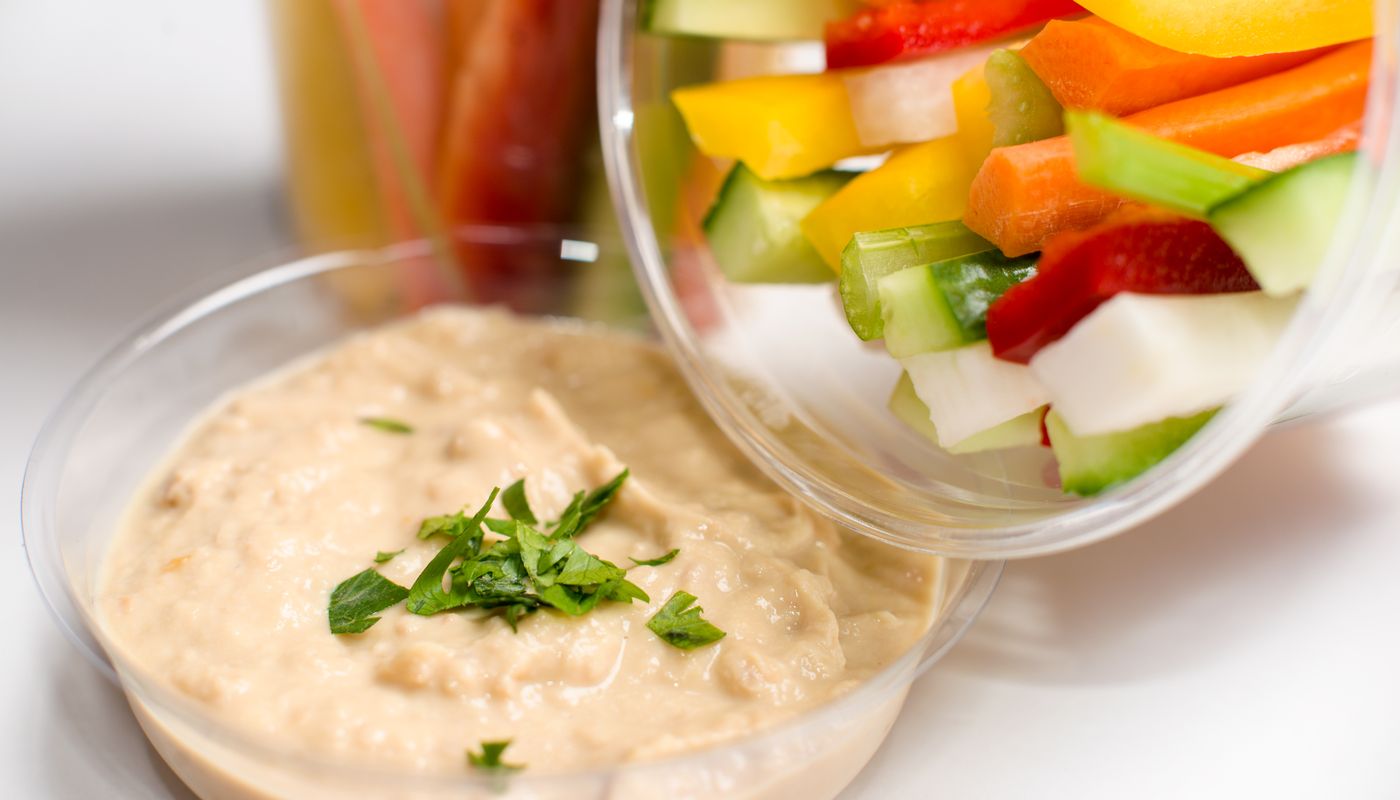
Hummus turns up on pretty much every list in this space. WebMD, Prevent Cancer, EatingWell, and Gabit all include it as a fridge essential, and you can see why without much effort. It's a ready-made snack that goes with almost anything — carrot sticks, cucumber, peppers, breadsticks, toast, or just a big dollop on top of a grain bowl. There's no prep needed, no portioning, no thinking required. Open the tub, dip something in, done.
Nutrition-wise, hummus is made from chickpeas, tahini, olive oil, lemon juice, and garlic. That combo gives you fibre, plant-based protein, and healthy fats all in one. It's especially handy if you're trying to eat more plant-based stuff without leaning on heavily processed alternatives. A standard 200g tub from most UK supermarkets costs about one pound to one pound fifty and lasts roughly a week once you've opened it.
Beyond the dip: other ways to use hummus
Hummus works brilliantly as a spread instead of butter or mayo. Try it in a wrap with some leftover roasted veg and a few leafy greens — it gives you flavour and moisture without needing a separate sauce. You can also thin it out with a splash of water and lemon juice to make a quick salad dressing. For work lunches, a tub of hummus with some pre-cut veg and a couple of hard-boiled eggs is a complete, no-fuss meal that doesn't need a microwave.
Fresh vegetables: carrots, peppers, and whatever's in season
Fresh veg is the final piece of the puzzle, and every source in this space lists it as a non-negotiable fridge staple. Forks Over Knives puts vegetables first in its guide to stocking a healthy fridge. Healthyfood.com finds that potatoes, carrots, celery, and parsnips are among the most versatile options. WebMD recommends keeping lots of fresh veggies as part of a well-stocked refrigerator. The message is pretty clear: veg should take up the most space in your fridge.
I tend to keep a core selection that stays pretty constant — carrots, peppers, cucumber, and celery — and then add whatever looks decent or is in season. Carrots last for weeks in the fridge and work in everything from soups to snacks. Peppers are great raw or cooked and add colour and crunch to basically any meal. Cucumber is refreshing on its own or sliced into water. Celery is brilliant with hummus or peanut butter and also works as a base for soups and stews.
A simple prep routine that actually works
The reason most people don't eat enough veg isn't that they don't like it — it's that they can't be bothered to wash, peel, and chop it every time they're hungry. The fix is dead simple: spend 15 minutes after your weekly shop prepping vegetables. Peel and chop carrots into sticks. Slice peppers into strips. Cut cucumber into rounds. Store everything in airtight containers in the fridge. When you're hungry, the healthy option is now the easy option. Gabit recommends pre-cut fruits and vegetables as convenient healthy snack choices to keep in your fridge, and from my own experience this one habit makes more difference than almost anything else you could do.
How these five foods work together throughout the day
The real value of these five staples isn't just that they're healthy on their own — it's that they combine into meals with barely any effort. Breakfast could be Greek yoghurt with a handful of spinach blended into a smoothie. Lunch might be hummus and pre-cut veg with a hard-boiled egg on the side. Dinner could be a quick stir-fry using whatever vegetables need using up, with a couple of eggs cracked in for protein. Each meal takes minutes, uses stuff you've already got, and doesn't need a recipe.
This is what eating well actually looks like in practice — not elaborate meal plans or expensive ingredients, but a fridge that's set up to make the healthy choice the easy choice. Nutrition Stripped recommends keeping fresh vegetables, fermented foods, and homemade nut butters as part of a well-stocked fridge. The Healthy Chef adds nuts, seeds, and fresh or frozen fruit to the list. These are all sensible additions, but the five I've outlined here form the foundation. Once you've got eggs, yoghurt, greens, hummus, and fresh veg in your fridge, everything else is a bonus.
Frequently asked questions
What foods should I always have in my refrigerator?
Eggs, plain Greek yoghurt, fresh leafy greens, hummus, and a selection of fresh vegetables like carrots, peppers, and cucumber are the five essentials I'd recommend. WebMD, EatingWell, and Prevent Cancer all include these in their lists of best fridge foods. They're versatile, affordable, and cover every meal from breakfast to a late-night snack.
What foods last 5 days in the fridge?
Hard-boiled eggs (in their shells), opened hummus, plain Greek yoghurt, carrots, celery, and peppers all keep well for at least five days in the fridge. Leafy greens like spinach and kale are best used within three to four days, though kale tends to last longer than spinach. Wrapping greens in kitchen paper helps extend their freshness.
What 12 foods should not be kept in the fridge?
Common foods that are better stored outside the fridge include tomatoes (which lose flavour and texture in the cold), bananas, whole onions, garlic, bread (which goes stale faster), avocados (until ripe), honey, olive oil, and certain tropical fruits. Keeping these out frees up valuable fridge space for the foods that genuinely benefit from cold storage.
What to stock up your fridge with?
Focus on five categories: a protein source like eggs, a versatile dairy item like plain Greek yoghurt, leafy greens for cooking and salads, a ready-made snack like hummus, and a selection of fresh vegetables. Forks Over Knives and WebMD both recommend building your fridge around fresh vegetables and lean proteins as the foundation.
What are good healthy fridge snacks for adults?
Hard-boiled eggs, hummus with vegetable sticks, Greek yoghurt with a small amount of honey, and sliced peppers or cucumber are all solid options. Movara lists Greek yoghurt with honey and almonds, veggie sticks with hummus, and hard-boiled eggs among its top healthy grab-and-go snacks. These require no cooking and can be eaten in minutes.
How can I keep my fridge organised for healthy eating?
Put the foods you want to eat first at eye level — that's where you'll look first when you open the door. Keep pre-cut vegetables and hummus in clear containers so they're visible and ready to go. Move less healthy options to the back or a harder-to-reach shelf. WebMD also recommends keeping your fridge between 0–4°C to maintain food safety and freshness.
The bottom line
A healthy fridge isn't about having the most expensive ingredients or the widest variety — it's about having the right staples in place so that eating well is the path of least resistance. Eggs, plain Greek yoghurt, fresh leafy greens, hummus, and a handful of reliable vegetables cover breakfast, lunch, dinner, and snacking without requiring recipes, meal prep sessions, or specialist shopping trips. They're the foods that dietitians, nutritionists, and health writers keep recommending because they genuinely work in real life, not just on paper.
Here's your one action for today: open your fridge, take everything out that's been sitting there untouched for more than a week, and replace it with at least three of these five staples. A tub of Greek yoghurt, a bag of spinach, and a pot of hummus will cost you less than £4 and immediately change what your next few meals look like.