Breaking Bad Habits: A Guide To Lasting Weight Loss
TL;DR — Ditching bad habits for good weight loss isn't about white-knuckle willpower or starting some mad restrictive diet. It's more like detective work. You spot what sets you off — maybe it's eating at your desk or forgetting lunch — and then you swap in something better, something you can actually live with. Little steps, like swapping a bag of crisps for an apple, are what make changes that stick and help you shift the weight for good.
Key takeaways
- The best approach is to make small, sustainable changes to your eating habits, rather than following a restrictive diet plan, as you are more likely to stick with them long-term.
- The NHS recommends not skipping meals, as this can lead to snacking on high-fat, high-sugar foods later in the day.
- The East Lancashire Hospitals NHS Trust suggests swapping unhealthy desk snacks with fruits and vegetables, such as apples, carrots, celery, or peppers.
- Successful lifestyle changes start with taking an honest look at your eating patterns and daily routine to identify negative habits.
- The American Heart Association recommends identifying the cues for bad habits and replacing them with a new, healthy activity, like going to the gym or making a healthy snack.
So, got any bad habits stopping you losing weight?
I'm not on about the odd treat here and there. I mean the little daily things you do on autopilot that pile on the pounds. The biscuit with every brew, the crisps you munch at your desk, or that thing where you skip brekkie then go wild at lunch. They're not some massive character flaw, they're just patterns. Patterns can be changed though. Getting rid of bad habits is less about gritting your teeth and more about figuring out what triggers you and doing something healthier instead. This isn't about overhauling your whole diet in a day; it's a practical, step-by-step way to swap out the things that aren't doing your health any favours for ones that do. It's the small shifts that lead to real, lasting weight loss.
You don't need some complicated diet
You really don't need a restrictive, complicated diet to see results. The best way is to make small, sustainable changes to what and how you eat, not to go on a punishing diet plan. That way you're more likely to keep it up and make it part of your life for good. Think of it as an upgrade, not a punishment. Instead of trying to quit all sugar tomorrow, you could just swap your afternoon chocolate bar for a piece of fruit. Instead of swearing off carbs forever, maybe you try one meat-free day a week. The idea is progress, not perfection. Every small positive change is a step in the right direction, and over time these steps add up to big, sustainable weight loss.

Why willpower alone isn't enough
Most of us have tried the sheer determination thing to break a habit, whether it's cutting out sweets or dragging ourselves to the gym. It might hold for a few days, maybe even weeks, but eventually the old habit sneaks back. This isn't because you're weak; it's because habits are powerful, automatic things cued by our environment, feelings, and routines. The American Heart Association reckons spotting these cues is the first step to throwing bad habits off track. Willpower is like a muscle—it gets tired. Relying on it all the time to fight a habit that's deeply ingrained is knackering and usually doesn't work. A better tactic is to understand your habit loop (the cue, the routine, the reward) and then redesign it.
For instance, if you always grab a packet of crisps when you sit at your desk around 3pm (cue: time of day and location; routine: eat crisps; reward: salt and crunch), fighting the urge to eat crisps is really hard. You can plan a new routine instead. When that 3pm slump hits, you might make a cup of herbal tea and have a small bag of unsalted nuts ready. The new routine still gives you a break and a snack (the reward), but it's a healthier one. By planning for the cue and having a replacement ready, you take away the need for constant willpower. You're not fighting the urge; you're just sending it somewhere else.
Identifying your specific triggers
Before you can change a habit, you need to know what the habit actually is. We run on autopilot a lot, so the first step is to pay a bit more attention. For a few days, try keeping a quick note on your phone or in a notebook. Don't judge yourself; just observe. Write down what you ate or drank, the time, where you were, and how you felt. Were you bored? Stressed? Tired? You might start noticing patterns. Maybe you always snack in front of the telly after dinner, or you buy a pastry from the café every time you're running late for work.
This awareness is powerful stuff. As diabetes.org.uk points out, psychological techniques that make you more aware of what you're eating can help you break unhealthy patterns. Once you see the habit clearly, you can start to take it apart. Is it tied to a specific time, place, or feeling? Is it a response to boredom or anxiety? Understanding the ‘why’ behind the habit is the key to changing it. You're not just trying to stop eating biscuits; you're trying to find a new way to handle the 4pm boredom that currently makes you want a biscuit.
The art of the healthy swap
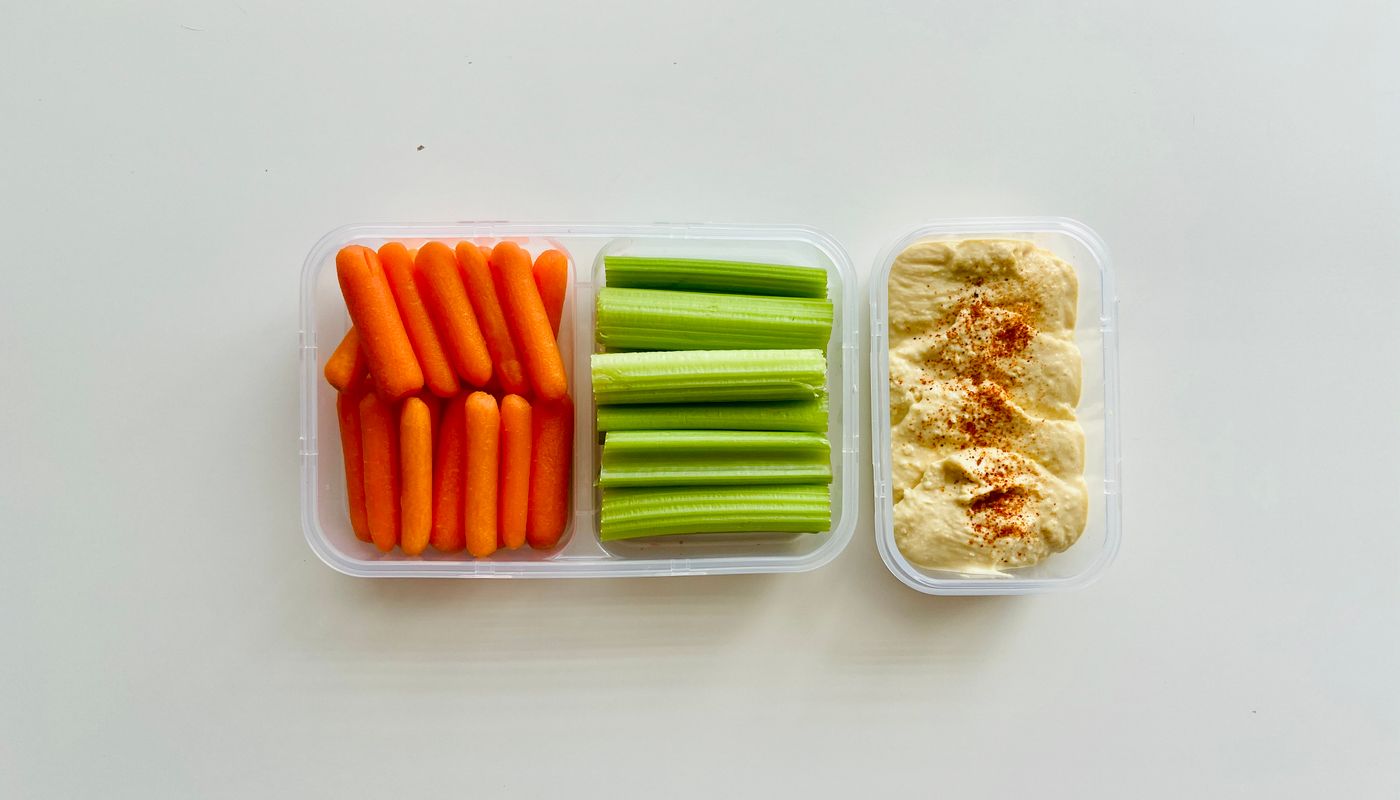
This is where it all comes together. Instead of thinking about what you can't have, you focus on what you can have instead. The NHS and the East Lancashire Hospitals NHS Trust both give really good, practical advice on this. They say to swap unhealthy snacks with fruits and vegetables, like apples, carrots, celery, or peppers. It's not about denial; it's about substitution. You still get the urge for a snack satisfied, but you pick one that's lower in calories and higher in fibre and nutrients.
Let's make this real. If you love crisps, the swap could be air-popped popcorn (you can make it in a microwave with no oil) or some crunchy vegetable sticks with a bit of hummus. Got a sweet tooth? Try swapping a chocolate bar for a couple of squares of dark chocolate (70% cocoa solids or higher) and a few berries. The trick is to have your healthier alternative ready and waiting. The NHS says do not stock unhealthy food in your home. If the crisps and chocolate aren't in the cupboard, you can't mindlessly eat them. Stock up on the healthier stuff instead. This simple change to your environment makes the healthy choice the easy choice.
Making small, sustainable changes
The word ‘diet’ usually means a temporary, restrictive period of eating that you then stop and go back to old habits. That's why so many diets fail. Making small, sustainable changes is the way out of this cycle. A sustainable change is one you can see yourself doing forever, not just for a fortnight. It's the difference between ‘I will never eat bread again’ and ‘I will have one slice of wholemeal bread with my lunch instead of two slices of white’.
Another really good strategy from the NHS is to not skip meals. When you skip a meal, you're setting yourself up for massive hunger later, which often leads to bad choices and overeating. Starting your day with a healthy breakfast, like porridge or yoghurt with fruit, can help regulate your appetite for the rest of the day. Think of these small changes as investments. Each one might seem minor on its own, but over weeks and months, they add up to major results. WebMD suggests tackling a new mini-goal each week. This week, it might be drinking more water. Next week, it might be adding a side salad to your dinner. Keep the goals small and doable.
A checklist for swapping habits
- Identify the trigger: Is it a time (3pm), a location (the sofa), or an emotion (stress)?
- Choose your swap: Decide on a healthier alternative that provides a similar reward (e.g., fruit for sweetness, nuts for crunch).
- Prepare in advance: Have your healthy swap washed, chopped, and ready to go. Don’t wait until you’re hungry.
- Change your environment: As advised by the NHS, don’t keep tempting unhealthy snacks at home or at your desk.
- Be patient: It takes time to build a new habit. Don’t be discouraged by a slip-up; just get back on track with your next meal.
The role of sleep and stress in bad habits
It's really hard to make good choices when you're knackered or stressed out. Stress and poor sleep are two of the biggest saboteurs of healthy habits. When you're sleep-deprived, the hormones that control your appetite can get all out of balance, making you crave high-calorie, sugary foods. When you're stressed, your body produces cortisol, which can make you hungrier and drive cravings for comfort food. The NHS, in its guide to losing weight, suggests thinking about your sleep habits as part of a healthy lifestyle.
Breaking bad habits often means looking beyond just the food. If you're a late-night snacker, ask yourself: are you actually hungry, or are you just tired and looking for an energy boost? If you reach for chocolate when you're stressed, the habit isn't really about the chocolate—it's about seeking comfort. Dealing with the root cause can be more effective than fighting the symptom. This could mean having a relaxing bedtime routine, switching off screens an hour before bed, or finding healthier ways to manage stress, like a 10-minute walk, some deep breathing, or listening to music. The NIH suggests replacing unhealthy behaviours with healthy ones like exercise or a favourite hobby.
Understanding the psychology behind habit change
Habits stick around because our brains are basically efficiency machines. Once we learn a behaviour that gets us a reward (like the pleasure of a sweet snack), our brain automates it so we don't have to think about it every time. This is useful for things like brushing our teeth, but not so great for habits that harm our health. Breaking a bad habit, then, is a process of retraining your brain. Spotting cues and then consciously choosing a new behaviour is the core of this retraining.
A helpful way to think about it is in ‘if-then’ plans. ‘If’ I feel the 3pm slump, ‘then’ I will make a cup of tea and eat an apple. ‘If’ I'm tempted to buy a pastry on my way to work, ‘then’ I will eat my prepared breakfast of yoghurt and berries before I leave the house. By making the decision in advance, you're using your logical brain to set a path for your automatic brain to follow. WebMD also says to be realistic and manage your stress. You're not going to break a habit overnight. There will be days you slip up. The goal isn't perfection; it's to make the new, healthier behaviour the norm over time.
How to break bad habits for weight loss FAQ
What is the 3-3-3 rule to lose weight?
The 3-3-3 rule is a simple way to start. It usually means eating three balanced meals a day, having three healthy snacks if you need them, and drinking at least three litres of water. It's a handy way to structure your day around regular, planned eating and staying hydrated, which can stop you getting so hungry you reach for bad snacks.
I hate being fat, but I can't lose weight. What could be causing this?
This is a common and really frustrating feeling. Often, it's not about not trying hard enough, but about habits that are working against you without you realising. The first step is to take an honest look at your patterns. You might be skipping meals, snacking without thinking, or underestimating how much you're eating. It can also be linked to stress or not sleeping well. Keeping a food and mood diary for a week can help spot the patterns, and if you're struggling, talking to your GP or a registered dietitian for advice that's specific to you is a good idea.
Why am I always gaining weight?
Gaining weight steadily is usually the result of a small, constant calorie surplus. This can happen bit by bit through habits you don't notice, like adding sugar to your tea, having a second helping at dinner, or snacking on high-calorie foods while watching the telly. The NHS says small, sustainable changes are key. Looking at your daily routine for these hidden habits and swapping them for healthier ones, like swapping sugary drinks for water, can help tip the balance back.
What is the best way to lose weight after 40 years old?
After 40, your metabolism can naturally slow down a bit, and you might lose some muscle mass. The ideas behind breaking bad habits are still really important. Focus on small, sustainable changes. Make sure you're eating enough protein to help keep muscle and stay full. Strength training is also super important, as it helps keep and build muscle, which boosts your metabolism. Sticking with these habits is more important than ever.
How to stop bad habits addictions?
For habits that feel more like addictions, like a compulsion to eat large amounts of food even when you're not hungry, it's important to get professional help. The strategies of spotting triggers and swapping behaviours are a good start, but you might benefit from the support of a counsellor, therapist, or your GP. They can help you deal with any deeper psychological or emotional reasons. The National Institutes of Health suggests replacing unhealthy behaviours with healthy ones, which is a key idea in therapies like cognitive behavioural therapy (CBT).
How to break bad habits for weight loss nhs?
The NHS has clear, practical advice. Key tips include: do not skip meals to avoid binging later, do not keep unhealthy food at home and swap it for healthier alternatives like fruit and rice cakes, and change what you drink by swapping sugary drinks for water. Their main message fits perfectly with a habit-based approach: make small, manageable changes to your diet and activity that you can keep up for life, rather than trying a drastic, short-term diet.
The bottom line
Breaking bad habits is the foundation of losing weight and keeping it off. It's not about some radical diet you follow for a month, but about the small, daily patterns you can redesign for good. You've seen how understanding your triggers, making smart swaps, and sorting out your stress and sleep can create powerful change. The NHS, and other health authorities, all say the same thing: small, sustainable changes are the most effective path forward. You don't need to overhaul your whole life today. You just need to pick one habit to focus on.
Here’s your action for today: choose one of the common habits we’ve talked about—like snacking at your desk, skipping breakfast, or eating in front of the telly—and figure out its trigger. Then, decide on one small, healthy swap you’ll make instead. If you snack at your desk, swap the crisps for carrot sticks and hummus. If you skip breakfast, prepare some overnight oats the night before. Write your plan down. Just doing this one thing puts you in control and starts the process of building a healthier, lighter you.