Summer Healthy Living: Your Guide to an Active, Nourishing Season
TL;DR — You build a summer that's actually active and properly nourishing on two main things: getting your body moving outside with workouts that are easy to keep up, and loading your plate with fresh, in-season food. Think whole foods—fruits, veg, lean proteins—and pair them with regular walking, cycling, or bodyweight stuff. This guide gives you a straightforward, no-faff plan to feel good all through the warm months.
Key takeaways
- Aim for at least 150 minutes of moderate-intensity activity per week, which can easily be broken down into 30-minute sessions five days a week.
- According to janeplan.com, an effective summer diet focuses on whole foods such as fruits, vegetables, lean proteins, and whole grains.
- The Pritikin Eating Plan highlights seasonal whole natural foods like strawberries, cantaloupes, and corn as the foundation of a healthy summer diet.
- chear.ucsd.edu notes that summer offers a fantastic opportunity to maintain a balanced diet and get plenty of exercise without the rush of a strict schedule.
- bbcgoodfood.com's summer meal plan features dishes like smoky vegetarian fajitas and vibrant salads that make the most of the season's finest produce.
A summer that's genuinely active and well-fed comes down to two pretty simple commitments: moving your body more outside and stocking your kitchen with fresh, seasonal stuff. There's no need for some dramatic overhaul or a punishing new regime. It's more about using the longer days and warmer weather to build easy, enjoyable habits that actually last. This guide is your practical roadmap for doing exactly that, mixing straightforward outdoor workouts with tasty, nourishing meals that make the most of what summer gives us.
Complicated plans and pricey gym memberships? Forget them. The real trick to a healthy summer is keeping things simple. As chear.ucsd.edu points out, the season itself gives you a fantastic opportunity to focus on a balanced diet and plenty of exercise without the pressure of a rigid schedule. We're going to break down precisely how to do that, from what goes on your plate to how you move your body, using advice from trusted sources and real-world, supermarket-friendly ideas. Let's get into it.

Building Your Summer Plate: The Foundation of a Healthy Diet
A healthy summer diet begins with what you're putting in your trolley. The aim isn't about cutting back; it's about having more of the right things. According to janeplan.com, the best approach is to go for whole foods—fruits, vegetables, lean proteins, and whole grains. That means filling your basket with colourful produce, fresh fish, chicken, beans, and wholemeal bread or pasta. It's a straightforward shift that really forms the bedrock of feeling energised and well.
Summer makes this so much easier because there's just so much good produce in season. The Pritikin Eating Plan, for instance, focuses on whole natural foods like strawberries, cantaloupes, and corn. These aren't just tasty; they're full of water and fibre, which helps you stay hydrated and full. Think of your plate like a canvas: half filled with vegetables and salad, a quarter with lean protein, and a quarter with wholegrain carbs. This visual guide, which a lot of nutrition plans echo, takes the guesswork out of eating balanced.
A Sample Day of Summer Eating
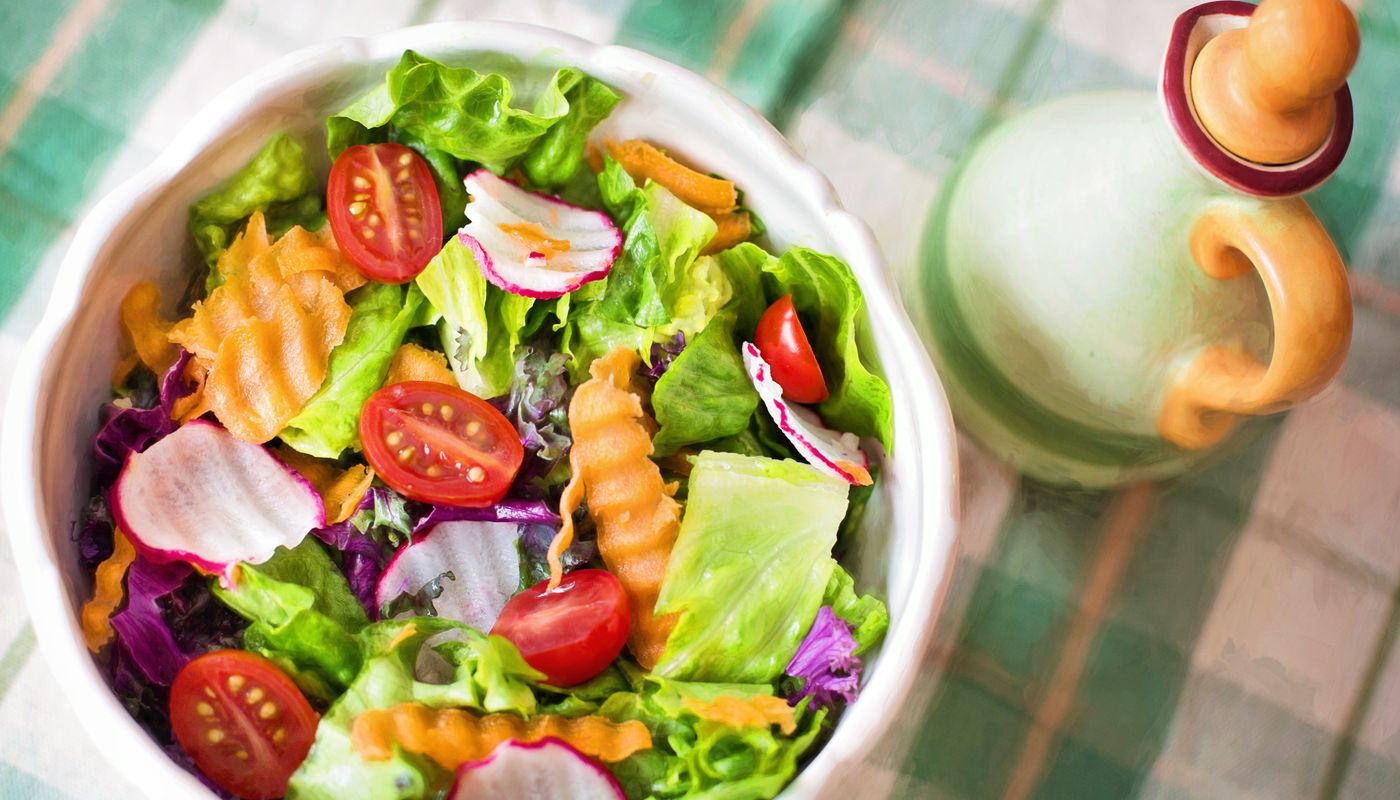
Here's what a day of eating well in summer might look like, taking inspiration from the seasonal focus of sources like pritikin.com and bbcgoodfood.com. For breakfast, try Greek yoghurt topped with a handful of fresh berries and a sprinkle of oats. Lunch could be a big salad with mixed leaves, cherry tomatoes, cucumber, grilled chicken breast, and a light vinaigrette. For dinner, make bbcgoodfood.com's smoky vegetarian fajitas using colourful peppers and onions, served with wholemeal wraps. Snacks can be as simple as an apple, a small handful of nuts, or carrot sticks with hummus. This approach keeps you satisfied without that weighed-down feeling.
Hydration: Your Secret Weapon Against the Heat
When the temperature climbs, your body needs more water. It's essential for regulating your temperature, helping digestion, and keeping your energy levels steady. While the research pack doesn't give a specific number of litres to drink, a practical rule of thumb is to sip water consistently throughout the day, not just when you feel thirsty. Keep a reusable bottle with you as a constant reminder.
Food can also be a major source of hydration. Yatharthhospitals.com highlights that fruits and vegetables with high water content are a cornerstone of a good summer diet. Think watermelon, cucumber, strawberries, and lettuce. Adding these into your meals and snacks does double duty: you get valuable nutrients and extra fluid. A refreshing cucumber and mint infused water, or a bowl of chilled watermelon, can be far more appealing than another glass of plain water when it's warm.
Simple Outdoor Workouts That Actually Stick
You don't need a gym to be active in summer. Aim for at least 150 minutes of moderate-intensity activity per week. That breaks down to just 30 minutes, five days a week. Moderate intensity means you're breathing harder but can still hold a conversation. The easiest way to hit this target is to make movement part of your daily life.
Walking is a perfect example. A brisk 30-minute walk in the morning or evening ticks a session off your list. Cycling to the shops or for leisure is another great option. If you have a local park, you can use a bench for step-ups, tricep dips, and incline press-ups. The key, as chear.ucsd.edu suggests, is to use the relaxed summer schedule to your advantage. There's no need for a punishing, hour-long slog. Consistency with shorter, enjoyable sessions is what builds a lasting habit.
Your Weekly Movement Plan
Here's a simple, flexible plan to meet the 150-minute guideline. Aim for five 30-minute sessions. You could do three brisk walks (Monday, Wednesday, Friday), one bike ride (Saturday), and one session of bodyweight exercises in the park (Tuesday). On your rest days (Thursday and Sunday), focus on gentle activity like stretching or a leisurely stroll. This plan is realistic, adaptable to the British summer weather, and doesn't require any special equipment. The goal is to move more, not to train like an athlete.
Making the Most of Seasonal Superfoods
Summer is nature's candy shop. Focusing on what's in season means you get produce at its peak flavour and nutritional value, often for a lower price. While the research pack doesn't provide a definitive "top 10" list, sources like pritikin.com and bbcgoodfood.com consistently champion berries, stone fruits, tomatoes, courgettes, and leafy greens.
Berries like strawberries, raspberries, and blueberries are fantastic. They're low in calories, high in fibre, and bursting with antioxidants. Toss them into yoghurt, porridge, or salads. Tomatoes and courgettes are incredibly versatile for dinners—roast them, grill them, or throw them into a pasta sauce. Leafy greens like spinach and rocket make the base for a nutrient-packed salad that won't leave you hungry. By building your meals around these seasonal stars, you automatically eat a more varied and healthier diet.
Smart Meal Planning for a Busy Summer
Summer can be busy with holidays, days out, and social events. A little planning goes a long way in keeping your healthy eating on track. The concept of a structured meal plan, like the 30-day plan from eatingwell.com, can be helpful, but it doesn't need to be rigid. The idea is to have a loose framework so you're not scrambling for unhealthy convenience food at the last minute.
Start by planning just three or four dinners for the week. Make a shopping list based on those meals, incorporating plenty of fresh produce. Cook in batches where you can—grill extra chicken breasts or make a big pot of quinoa to use in salads throughout the week. bbcgoodfood.com's "All-in-one summer meal plan" is a great resource for inspiration, featuring dishes like speedy stir-fries and summery pastas. The goal is to make healthy eating the easy, default option.
Your Summer Shopping List Starter
Build your weekly shop around these categories.
- Produce: Berries, tomatoes, cucumber, lettuce, courgettes, peppers, corn on the cob, lemons.
- Protein: Chicken breast, salmon fillets, tinned tuna, eggs, Greek yoghurt, chickpeas, lentils.
- Carbs: Wholemeal bread, wholemeal pasta, brown rice, oats, potatoes.
- Fats & Flavour: Olive oil, avocados, nuts, seeds, fresh herbs (basil, mint, coriander).
This list gives you the building blocks for dozens of simple, healthy meals without needing to buy anything exotic or expensive.
Understanding Popular Summer Diet Questions
When you search for summer diet advice, certain questions and rules pop up repeatedly. It's helpful to understand what they mean so you can decide if they're useful for you. One common query is about the "3-3-3 rule." This isn't a medically defined diet, but it's often interpreted as a simple framework: eat three meals a day, with three main components (like a protein, a carb, and a vegetable), and drink three litres of water. It's a basic structure that can promote mindful eating and hydration, though the water amount may be too high for some people.
Another frequent search is for "superfoods." While no single food is a magic bullet, the term is often used to describe nutrient-dense options. For summer, this would include the berries, leafy greens, and tomatoes we've already discussed. The key is to eat a wide variety of colourful plants rather than focusing on a handful of trendy items. A balanced plate, as recommended by sources like janeplan.com, is always more effective than chasing individual "superfoods."
The Bottom Line
A summer characterised by activity and a healthy diet isn't about perfection or a complete lifestyle overhaul. It's about making small, sustainable choices that take advantage of the season. Focus on filling your plate with colourful, whole foods—especially the fresh fruits and vegetables that are at their best right now. Pair that with consistent, moderate movement like brisk walks or cycling, aiming for at least 150 minutes per week. The combination of nourishing food and regular activity will boost your energy, improve your mood, and help you feel your best all summer long.
Your one action for today: Pick one fresh, seasonal vegetable or fruit you haven't eaten in a while—maybe courgettes, berries, or corn—and add it to your next meal. That's it. One small, delicious step towards a healthier summer.