Flat Stomach Exercises: A Realistic Guide to Toning Your Core
TL;DR — You can't spot-reduce belly fat, but you can strengthen and tone the muscles underneath. A mix of core exercises like planks, crunches, and the Pallof press, combined with regular cardio and sensible eating, is the most effective approach. The NHS offers a free 10-minute abs workout that fits into any schedule. Consistency matters more than intensity.
Key takeaways
- The NHS provides a free 10-minute abs workout video designed to strengthen and tone stomach muscles in a busy schedule.
- The Times recommends working up to a two-minute daily plank to target the transversus abdominis, the muscle that can make your tummy look flatter.
- The Gym Group highlights planks, Russian twists, and bicycle crunches as highly effective core exercises for targeting stomach muscles.
- Medical News Today advises adding cardio, eating more fibre, and limiting refined carbs as part of a flatter stomach strategy.
- Healthline recommends regular walks, drinking more water, and mindful eating as research-backed lifestyle strategies for losing belly fat.

Why Your Stomach Won't Flatten With Crunches Alone
I genuinely thought doing a hundred sit-ups every night would sort my stomach out. Spoiler: it didn't. And if you've been hammering out crunches wondering why your midsection looks exactly the same, you're in good company. The blunt reality is you cannot spot-reduce fat from one part of your body just by exercising that bit. You can absolutely make the muscles underneath stronger, but if there's a layer of fat sitting on top, nobody's going to see them.
What actually gets your stomach flatter, according to Medical News Today, is a combination of adding cardio, eating more fibre, limiting refined carbs, and bumping up your protein. Not glamorous, not quick, but it genuinely works. The exercises below will build you a stronger, tighter core — and when you combine them with the lifestyle stuff that reduces overall body fat, that's when things start to change.
Think of it like this: your core exercises are the foundation, and your diet and daily movement are the house built on top. You need both, or the whole thing falls apart.
The Best Flat Stomach Exercises You Can Do at Home
You don't need a gym membership or any fancy kit to work your core. The Gym Group identifies planks, Russian twists, and bicycle crunches as some of the most effective exercises for targeting your stomach muscles. All bodyweight, all doable in your living room with a mat and a bit of floor space.
The NHS offers a free 10-minute abs workout video that's designed to strengthen and tone your stomach muscles. Short enough to squeeze into even the busiest day, which is kind of the whole point. Ten minutes a day done consistently will do more for you than an hour-long session you only manage once a fortnight — I've seen this play out with friends who tried both approaches.
The thing with any core exercise is form over speed. Rushing through 50 sloppy crunches won't help you one bit. Doing 15 slow, controlled ones with proper engagement will though. If you're new to core work, start with the basics — planks and crunches — and build from there. Your body will tell you when it's ready for more.
How to Do a Proper Plank
The plank is probably the single best exercise you can do for a flatter-looking stomach. The Times recommends working up to a two-minute plank every day. Why it works so well is that it targets the transversus abdominis — the deep core muscle that wraps around your midsection like a natural corset. When this muscle gets strong, it pulls your stomach in and makes it look flatter, even before you've actually lost any fat.
To do a plank properly, get into a press-up position but rest on your forearms instead of your hands. Your body should form a straight line from your head to your heels. Don't let your hips sag towards the floor, and don't stick your bum in the air either. Engage your core by imagining you're bracing for someone to poke you in the stomach.
Start with 20 seconds if that's all you can manage. Add five seconds every few days. Within a few weeks you'll be holding it for a minute or more. The progression matters more than the starting point — honestly, where you begin is almost irrelevant.
Crunches and Bicycle Crunches: Getting Them Right
Crunches get a bad reputation sometimes, but they're still one of the most direct ways to work your rectus abdominis — the "six-pack" muscle. The trick is doing them properly. Lie on your back with your knees bent and your feet flat on the floor. Place your hands lightly behind your head — don't pull on your neck. Lift your shoulder blades off the floor using your abs, hold for a second, then lower back down slowly.
Bicycle crunches take this a step further. As you crunch up, bring one knee towards your opposite elbow while extending the other leg out. Alternate sides in a pedalling motion. The Gym Group lists these among the most effective core exercises because they work both the rectus abdominis and the obliques — the muscles down your sides.
Aim for three sets of 15 repetitions to start. If that feels easy, slow down. The slower you go, the harder it gets. It's a weirdly counterintuitive thing but it's true.
The Pallof Press: Your Secret Weapon for Core Stability
Most people have never heard of the Pallof press, but it's one of the best exercises for building real core strength. Unlike crunches, which flex your spine, the Pallof press trains your core to resist rotation. This is what your core actually does all day — it stabilises your body while you move your arms and legs. It's functional strength, not just aesthetics.
You'll need a resistance band for this one. Anchor it at chest height to something solid — a door handle works fine. Stand sideways to the anchor point, hold the band with both hands at your chest, and press it straight out in front of you. The band will try to twist you back towards the anchor. Your job is to resist that pull and stay perfectly square. Hold for two seconds, then bring your hands back to your chest.
Do three sets of 10 on each side. It looks simple. It isn't. You'll feel it deep in your obliques and across your entire midsection — like someone's wrapped a belt around your middle and is slowly tightening it.
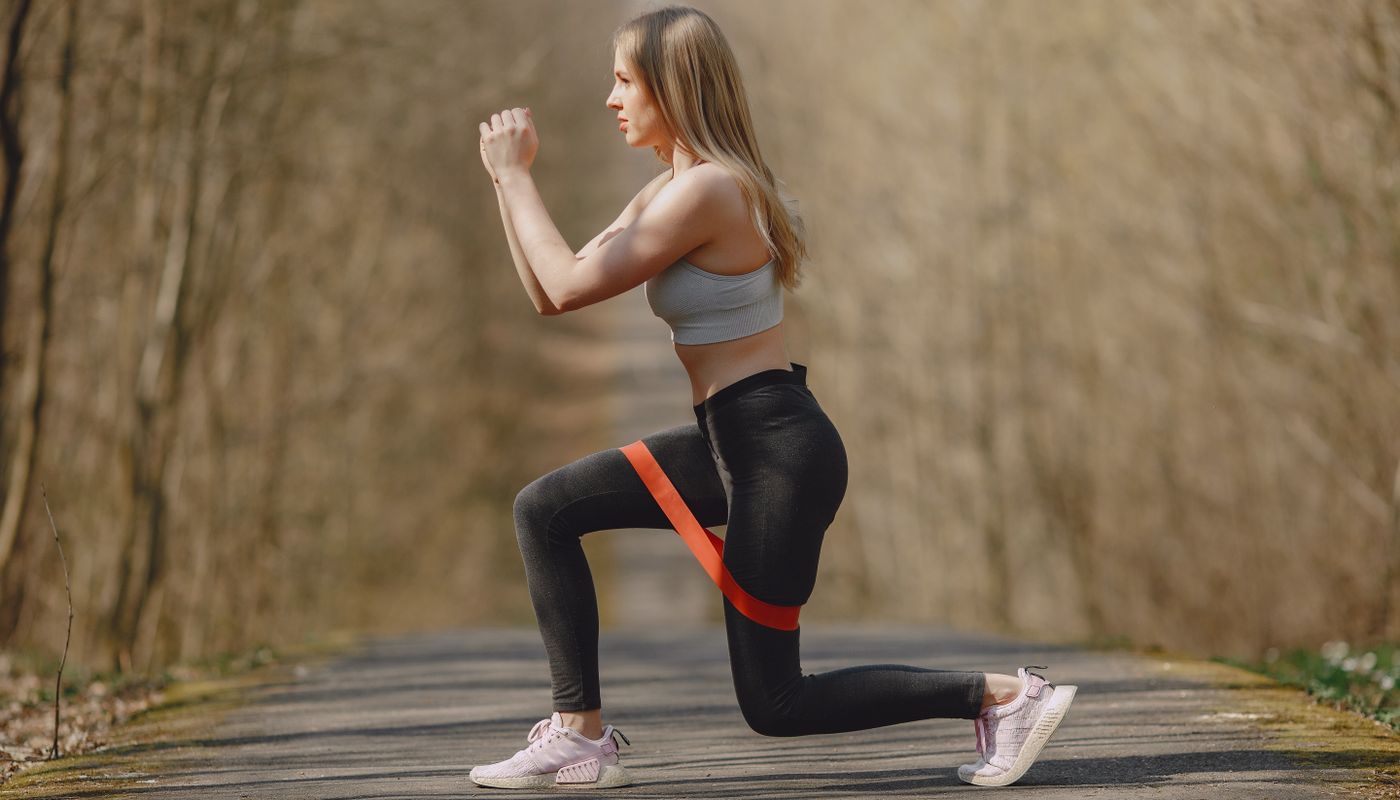
Adding Squats for a Stronger Core
Squats might seem like a leg exercise, but they're actually one of the best things you can do for your core. Every time you squat with proper form, your entire midsection has to work hard to keep you stable and upright. MedicineNet recommends resistance training as one of its 12 tips for getting a flat stomach without losing weight, and squats are the king of resistance exercises.
Stand with your feet shoulder-width apart. Push your hips back as if you're sitting into a chair, keeping your chest up and your weight in your heels. Go as low as you can without your knees caving in or your heels lifting off the floor. Then drive back up to standing.
Start with bodyweight squats — three sets of 12. Once that feels comfortable, hold a dumbbell or a heavy book against your chest for goblet squats. The added weight forces your core to work even harder to keep you balanced.
What You Eat Matters More Than You Think
No amount of core exercises will give you a flat stomach if your diet isn't right. Healthline lists regular walks, drinking more water, and mindful eating as research-backed strategies for losing belly fat. Better.org.uk highlights yogurt, quinoa, almonds, beans, eggs, salmon, extra virgin olive oil, and berries as their top 10 foods for a flatter stomach.
The Cadogan Clinic recommends doing between 20 and 40 minutes of moderate-to-high-intensity cardio exercise a week — things like cycling, jogging, or running — alongside your core work. This is what actually burns the fat that's covering your muscles.
You don't need to overhaul your entire diet overnight. Start with one change: swap a processed snack for a handful of almonds, or add a portion of salmon to your weekly shop. Small, sustainable changes beat dramatic restrictions every time. I swapped my afternoon crisps for almonds about six months ago and honestly it made more difference than I expected.
How Long Does This Actually Take?
This is the question everyone wants answered, and the honest answer is: it depends. Fitbod.me puts it plainly — losing belly fat and getting a flat stomach is done through achieving a caloric deficit by eating less, exercising more, and doing that consistently over time. There's no specific timeline because everyone starts from a different place.
If you're already fairly lean, you might see noticeable changes in your core within four to six weeks of consistent training. If you've got more fat to lose, it'll take longer — and that's fine. The goal isn't a flat stomach by next Tuesday. The goal is a stronger, healthier body that you feel good in.
The people who get results are the ones who show up three or four times a week, every week, even when they don't feel like it. That's it. That's the whole secret.
Frequently asked questions
What kills stomach fat the fastest?
There's no exercise that targets stomach fat specifically. Medical News Today advises adding cardio, eating more fibre, and limiting refined carbs as the most effective combination. The Cadogan Clinic recommends 20 to 40 minutes of moderate-to-high-intensity cardio a week. Consistency over weeks and months is what actually works.
What actually flattens your stomach?
A combination of core exercises to strengthen and tone your muscles, regular cardio to burn overall body fat, and a sensible diet. The NHS offers a free 10-minute abs workout that's a good starting point. The plank targets the transversus abdominis, which can make your tummy look flatter, according to The Times.
Why am I skinny but have a big belly?
This is common and usually comes down to body composition rather than overall weight. You might have low muscle mass and higher visceral fat around your organs. Resistance training like squats and core exercises, combined with reducing refined carbs and increasing protein, can help. If you're concerned, speak to your GP.
How to flatten tummy in 10 days?
In 10 days you can reduce bloating by drinking more water, eating less salt, and cutting back on refined carbs. You won't lose significant belly fat in that time. Healthline recommends mindful eating and regular walks as sustainable starting points. Real, visible changes take weeks of consistent effort.
What should I drink for a flatter stomach?
Water is the simplest and most effective choice. Healthline recommends drinking more water as a research-backed strategy for losing belly fat. Herbal teas and water with lemon or cucumber are fine too. Avoid sugary drinks and excessive alcohol, which Medical News Today lists among things to limit for a flatter stomach.
Can I get a flat stomach with just exercise and no diet changes?
It's unlikely. You can strengthen and tone your core muscles with exercises like planks and crunches, but if there's fat covering them, you won't see the results. Fitbod.me explains that a caloric deficit through eating less and exercising more is necessary. Both matter, but diet tends to have the bigger impact.
The bottom line
Getting a stomach you don't need to hide under layers of clothing isn't about one magic exercise or a secret diet. It's about doing the basics well and doing them consistently. Core exercises like planks, crunches, and the Pallof press will build the strong, toned muscles underneath. Cardio and sensible eating will reduce the fat sitting on top. Together, they work.
The NHS 10-minute abs workout is a brilliant place to start — it's free, it's short, and it's designed for real people with real schedules. Do it three or four times this week. Add a 20-minute walk on the days you don't do it. Swap one processed snack for something whole. That's your starting point. Everything else builds from there.