Enjoy Christmas and Still Lose Weight This Year
TL;DR — You can have a proper Christmas — turkey, pudding, the whole lot — and still stay on track with losing weight. Plan your meals around protein, drink water between the boozy ones, keep your portions sensible, and get out for a walk. The NHS says focus on what you're eating, how much you're moving, and whether you're sleeping well. That holds true on December 25th just like any other Tuesday.
Key takeaways
- The NHS advises focusing on diet, exercise, and sleep as practical ways to support weight loss at any time of year, including over Christmas.
- Starting the day with wholegrain options like porridge or wholemeal toast can help provide steady energy throughout festive mornings.
- When choosing meat, consider lean cuts, trim visible fat, and balance your plate with turkey, chicken, fish, or plant-based options alongside plenty of vegetables.
- Slimming World advises identifying your personal "trigger foods" — the ones you can't stop eating once you start — and having a strategy for avoiding them at Christmas gatherings.
- Healthy Cornwall recommends putting a time limit on festive eating, staying hydrated, and being honest with those around you about your health goals.
Look, Merry Christmas. If you're reading this on Christmas Eve or a couple of days before, I just want you to know you can absolutely enjoy the big day and not wreck your progress. All of it — the turkey, the pudding, the chocolates, the cheese board your aunt always brings. I'm not talking about willpower or saying no to everything. I'm on about a handful of straightforward choices that mean you have a genuinely good time without waking up on Boxing Day feeling like you've undone a month of effort.
I've been there myself. When I first started losing weight properly, Christmas genuinely scared me. I had this image of a table piled high with food and figured I'd either sit there poking at a sad bit of lettuce or just give in completely and spend January starting from scratch. Neither thing actually happened. What I figured out, and what I want to pass on, is that Christmas is really just one day. The NHS says it pretty clearly — practical changes to what you eat and drink, how much you move, and how well you sleep support weight loss year-round. The festive period doesn't rewrite those rules. You just need a bit of a plan, is all.

Start the Day Right
Christmas morning kind of sets the mood for the whole thing. If you skip breakfast you rock up to dinner absolutely starving, ready to eat everything that isn't nailed down. If you go the other way and demolish a plate of croissants and Bucks Fizz at 10am, your blood sugar spikes and then crashes before lunch even starts, and you'll graze your way through the afternoon. Neither of those is great for your waistline.
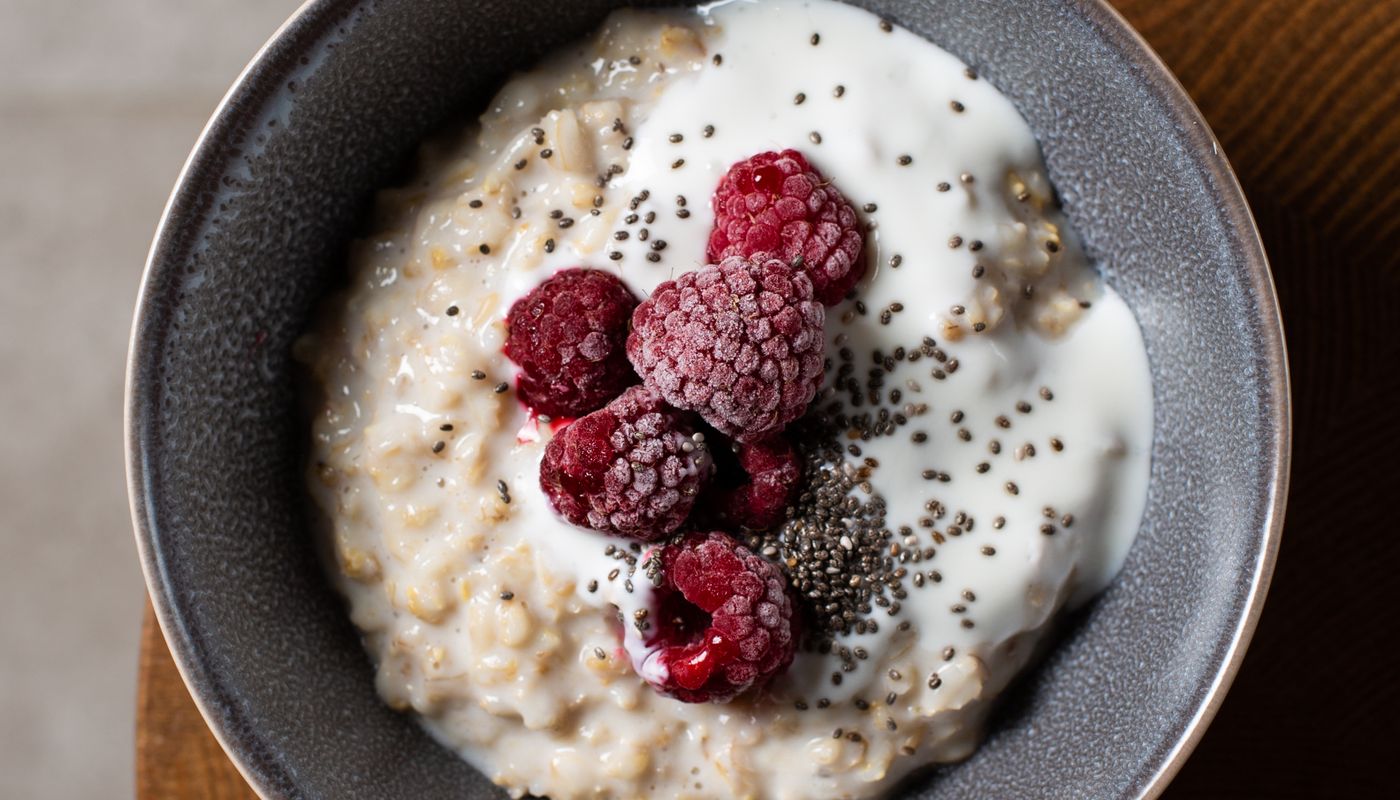
Going for proper energy sources in the morning — porridge, wholegrain toast, fruit bread, that sort of thing — can keep you steady. I'm personally a porridge person, always have been. A big bowl with some cinnamon and a few berries on top keeps me satisfied right through to the main event without making me feel heavy. If you fancy something lighter, a couple bits of wholemeal toast with just a scraping of butter works fine. The main thing is you're getting fibre and slow-release carbs so you're not battling hunger while the turkey's still got an hour to go.
A Christmas Morning Breakfast That Works
Right, here's what I actually do every year. About 8 or 9am I make porridge — 40g of oats, 200ml of semi-skimmed milk, bit of cinnamon, and then whatever fruit I've got, usually blueberries or a sliced banana. It takes maybe five minutes in the microwave, honestly. I'll have a couple of cups of tea with it. That's the lot. No big fry-up, no pastries, no prosecco before noon, and I know that sounds boring but it really isn't. It's about giving myself a solid start so I'm not fighting my own body later on. You don't need to copy my porridge recipe exactly — just eat a proper breakfast with some fibre and protein in it, and you'll sit down to Christmas dinner feeling calm and hungry but not desperate.
Choose Your Protein Wisely
Christmas dinner is the centrepiece for most households and that usually means a big bit of meat. Picking lean cuts and trimming off any visible fat before you serve it is a good starting point. Turkey's a really good option — it's lean by nature, packed with protein, and fills you up without a massive calorie hit. For chicken, try to take the skin off before eating or at least pull it off after it's cooked. And it's worth considering cutting back on red and processed meat, swapping some of it for fish, chicken, turkey, or plant-based stuff where you can.
Not that you can't have a few pigs in blankets. Obviously you can. But if you build your plate around turkey, loads of veg, and some roast potatoes, and treat the sausages and stuffing as sides rather than the main event, you're going to come out of it in much better shape. I usually aim for turkey covering roughly a third of my plate, vegetables another third, and then the rest split between potatoes and the extras like stuffing or pigs in blankets. It's not a rigid rule — just a rough idea that stops the plate from becoming this mountain of pastry and fat.
Don't Fear the Vegetables
Seems obvious, doesn't it? But Christmas is genuinely the one time of year when everyone seems to forget vegetables are a thing. The table's covered in roast potatoes, Yorkshire puddings, stuffing, bread sauce, and gravy — and there's the Brussels sprouts sitting in a little dish looking completely unloved. Filling up on good energy sources and nutrition matters, and vegetables are a massive part of that equation.
So pile them on. Carrots, parsnips, sprouts, green beans, broccoli — whatever's there, have loads. They fill you up for hardly any calories, they give you fibre which is particularly handy after a heavy meal because it helps with digestion, and they make the plate look better too honestly. If you're the one cooking, try roasting your veg with just a light spray of oil rather than drowning the lot in goose fat. If someone else is doing the cooking, just make sure veg takes up a good portion of your plate. You don't have to eat only vegetables — you just need a proper amount of them on there.
Manage Your Portions
This is where most people fall down at Christmas, I think. The food's laid out buffet-style or it comes round family-style and before you know it you've added "just a little bit more" four times and your plate looks like it belongs at a competitive eating event. The NHS flags portion management as one of its key weight-loss approaches, and honestly it works just as well on Christmas Day as it does in July.
One dead simple trick — use a smaller plate if you've got one. At a buffet, fill your plate once, eat it slowly, and then genuinely wait twenty minutes before you decide whether you want seconds. Your brain needs time to catch up with your stomach and realise you're full. For a sit-down dinner, dish yourself up a sensible first portion and resist the immediate urge to go back for seconds. There will be leftovers tomorrow, promise. You don't need to eat a week's worth of food in one sitting.
A Realistic Portion Guide for Christmas Dinner
Here's roughly what I go by. Protein — turkey, chicken, whatever — about the size of your palm. Potatoes, a fist-sized portion. Vegetables fill whatever space is left, and honestly you can have as much of those as you want. Gravy, a few tablespoons, not a swimming pool. Stuffing and Yorkshire puddings — one of each, two if they're on the small side. Dessert, a normal portion, not a slab the size of a house brick. This isn't about obsessively counting calories, it's just about giving yourself a visual framework so you're not in a food coma by four o'clock.
Stay Hydrated and Watch Your Drinks
Christmas and booze, they go together like crackers and terrible jokes. But drinks — both alcoholic and soft — are a sneaky calorie source and a big reason people end up overeating. The NHS says to pay attention to what you eat and drink as part of staying healthy, and your glass definitely counts.
The tip from Weight Loss Resources I've genuinely found useful is alternating every alcoholic drink with a glass of water. It slows down how much you're drinking, keeps you hydrated, and roughly halves your calorie intake from drinks. A glass of prosecco is about 80 calories — mulled wine can be 150 or even more. Two or three rounds of "one for me, one for water" and you've saved yourself several hundred calories without feeling like you missed out. If you're not drinking alcohol, watch out for sugary mixers, fruit juices, and hot chocolate absolutely loaded with cream, because those add up surprisingly fast.
Keep Moving — Even a Little
Nobody's expecting you to go for a run on Christmas morning. But you do need to get your body moving a bit. The NHS recommends regular physical activity as part of staying healthy, and honestly a festive walk is about the easiest way to tick that box. The Somatic Clinic suggests a stroll after your meal and I'd back that up completely — it helps digestion, clears your head, and burns off a few of the pudding calories.
Twenty to thirty minutes after lunch is the sweet spot. Get the family involved if you can — doesn't need to be some kind of forced march, just a gentle wander round the neighbourhood or the park down the road. Raining out? Even a walk around the house or a quick boogie in the living room counts, honestly. The main thing is breaking up the afternoon of being horizontal on the sofa. You'll feel noticeably better for it, and it stops Christmas Day being a complete write-off for your body.
Have a Plan for Boxing Day and Beyond
Christmas Day is just one day. The real problem is the week between Christmas and New Year, when leftovers and chocolates and sheer boredom combine to create this constant grazing situation. Healthy Cornwall says to have a plan for after the festive period and that really does start on Boxing Day itself.
Get the temptation out of sight. Eat the leftovers in a sensible way — turkey sandwiches on wholemeal bread with some salad are actually quite nice — but don't leave the Quality Street bowl sitting on the coffee table for a full week. Healthier Weight recommends removing temptation and not skipping meals either, and both of those make a lot of sense here. Eat proper meals at proper times, keep chocolate as an occasional treat instead of a permanent feature on the sideboard, and get back to your normal eating as quickly as you can.
A Boxing Day Reset Routine
On Boxing Day morning I have a normal breakfast, usually porridge or eggs on toast. I go for a walk even if it's only twenty minutes round the block. I sort out the Christmas dinner leftovers and portion them into actual meals rather than just picking at them all day with a fork. I drink plenty of water. If I fancy a bit of chocolate I'll have one piece, not five. By the 27th I'm basically back to normal. It's not about punishing yourself for having a good Christmas — it's about not letting one day spiral into a whole week of eating everything in sight.
Be Honest With Yourself and Others
One of the trickiest bits about staying on track at Christmas is the social pressure. People push food at you constantly. "Go on, have another roastie." "You've got to try this trifle." "It's Christmas, treat yourself!" Slimming World says you should know what your trigger foods are, and Healthy Cornwall reckons being upfront with people around you about your goals really helps.
You don't need to make some grand announcement to the whole family. Just a straightforward "I'm alright thanks" or "I'm saving room for pudding" tends to do the job. Most people won't push it further than that. And if they do, remember this — you're not being rude by deciding what goes on your own plate. The BBC reported that regular weigh-ins can help stop you piling on the pounds at Christmas, and a big part of that is staying conscious of your choices rather than just letting the whole day sweep you along without thinking.
Frequently asked questions
The bottom line
Christmas is supposed to be enjoyed. I'm not asking you to sit in the corner chewing on celery while everyone else demolishes a proper feast. What I'm saying is that a handful of simple choices — a decent breakfast, a plate stacked with turkey and vegetables, sensible portions, alternating your drinks with water, getting out for a walk after lunch, and resetting properly on Boxing Day — can genuinely be the difference between feeling good on January 2nd and feeling like you've got an impossible mountain to climb.
Here's one thing I want you to do today: write down three things you'll do differently this Christmas. Not ten. Not some whole new diet plan. Just three things. Maybe it's starting with porridge on Christmas morning, maybe it's getting out for that walk after lunch, and maybe it's clearing the chocolates off the coffee table on Boxing Day morning. Put them on your phone, stick a note on the fridge, whatever works for you. Then actually do them. Merry Christmas — you've got this.