Mango Pineapple Smoothie Bowl: A Quick Tropical Breakfast
TL;DR — A mango pineapple smoothie bowl is basically a thick, creamy breakfast you make by blending frozen tropical fruit with a bit of milk or yoghurt, then piling on fresh fruit and crunchy bits. Under ten minutes, ingredients from any UK supermarket, and it keeps you full right through to lunch.
Key takeaways
- BBC Good Food's tropical smoothie bowl recipe uses mango, pineapple, bananas, yoghurt and coconut milk, blended until smooth and thick.
- Using frozen fruit instead of ice keeps the bowl thick and avoids watering down the flavour.
- You can make a mango pineapple smoothie bowl without banana by swapping in frozen avocado or extra mango for creaminess.
- Adding Greek yoghurt boosts the protein content and gives the bowl a pleasant tang.
- Toppings like kiwi, raspberries, granola and seeds add texture and extra nutrients to the base.

What Is a Mango Pineapple Smoothie Bowl?
It's a thick, spoonable breakfast. You blend frozen mango and pineapple with some kind of liquid, pour the lot into a bowl, then pile toppings on. Think of it as a smoothie you eat with a spoon instead of sucking through a straw. The texture lands somewhere near soft-serve ice cream, which is honestly why it feels like an actual meal and not just a drink.
The idea behind it is dead simple. Frozen tropical fruit brings natural sweetness and that thick texture without any ice involved. You add just enough liquid — coconut milk, almond milk, orange juice, yoghurt, whatever you've got — to get the blender going. Then into a bowl it goes, and you decorate it however you like. BBC Good Food's version calls for mango, pineapple, bananas, yoghurt and coconut milk, all blitzed smooth and poured into two bowls with stuff on top. That's the basic blueprint, really, and you can tweak it based on what's lurking in your freezer.
I got into making these because overnight oats were doing my head in. The tropical flavour genuinely feels like a treat, but you're basically just eating fruit, yoghurt and a few seeds. It's the sort of breakfast where you feel like you've made an effort, even though you've spent about five minutes on it. My flatmate still thinks I'm some kind of morning person when I make them.
Why Frozen Fruit Works Best
Thickness is everything with a smoothie bowl. Too thin and your toppings just sink — you end up with this sad, runny thing that's more like juice. Frozen fruit fixes that because it blends into a thick, creamy texture without diluting anything the way ice does. Ice melts fast and leaves you with a watery mess. Frozen mango and pineapple hold their structure and give you that proper spoonable consistency.
Most UK supermarkets stock bags of frozen mango chunks and frozen pineapple pieces for about £2 to £3. Alternatively you can grab fresh mango and pineapple, chop them up, freeze them yourself on a lined baking tray then tip them into a bag. Handy if you spot ripe fruit on offer. The important thing is the fruit needs to be properly frozen solid before it goes anywhere near the blender.
Bakerita's mango pineapple smoothie bowl recipe uses frozen banana, frozen pineapple, frozen mango and coconut milk, blended until smooth. Nearly every recipe I came across makes a point of using frozen fruit, and that's not a coincidence — it's what separates a bowl you eat with a spoon from one you'd need to drink.
The Basic Recipe
This is the version I make most often. Serves one generously, or two if you're having something alongside it.
Ingredients:
- 150g frozen mango chunks
- 150g frozen pineapple chunks
- 1 small banana (fresh or frozen)
- 3 tablespoons Greek yoghurt
- 60–80ml coconut milk or almond milk
- Toppings: sliced kiwi, fresh raspberries, a sprinkle of granola
Method:
Chuck the frozen mango, frozen pineapple, banana, yoghurt and coconut milk into a blender. Start it on a low speed and use the tamper if your blender's got one, or just stop and scrape the sides down with a spatula when needed. You're after a thick mixture — it should look like soft-serve when it's done, not something you could pour.
If the blender's struggling, add another tablespoon of milk at a time. It's way easier to thin a smoothie bowl out than to thicken it back up, so go easy. Once it's smooth and thick, spoon it into your bowl.
Top with sliced kiwi, a handful of fresh raspberries and some granola scattered over. Chia seeds, coconut flakes, chopped nuts or a drizzle of honey all work too. The base is your canvas — the toppings are where you really make it yours.
Making It Without Banana
Not everyone's a fan of banana in their smoothie bowl. Some people reckon it takes over the other flavours. If that's you, there are decent swaps. Banana's main job here is adding creaminess and helping thicken things up, so whatever you use needs to do the same thing.
Frozen avocado is probably the most popular replacement. Half a small avocado gives you that same creamy texture without adding much flavour at all — the mango and pineapple completely mask it. Extra frozen mango works too, thickening the bowl naturally. A few recipes, like the one on Jar of Lemons, lean on Greek yoghurt as the main thickener, using a cup of it alongside the frozen fruit to hit the right consistency.
There's also frozen cauliflower rice. Sounds bizarre, I know, but a small handful blends in invisibly and adds body without messing with the taste. I wasn't convinced the first time I tried it, but honestly you can't tell it's in there. Whatever swap you go for, the aim's the same: a thick, creamy base that actually holds your toppings on the surface.
Adding Yoghurt for Protein and Tang
Greek yoghurt shows up in loads of smoothie bowl recipes, and for good reason. It adds protein, which helps keep you full through the morning, and brings a slight tang that balances out all that sweetness from the mango and pineapple. Without it the bowl can taste a bit flat — all sweet, nothing else going on.
Jar of Lemons uses a cup of Greek yoghurt — plain or vanilla — as a key ingredient in their pineapple mango smoothie bowl. Plain or vanilla both work, just have a quick look at the label if you're watching sugar, because vanilla-flavoured ones sometimes sneak extra in. Full-fat Greek yoghurt gives the richest, creamiest result, but honestly low-fat is fine too.
For dairy-free, coconut yoghurt's a solid swap. It keeps the tropical vibe going and has a similar thick texture. Soy yoghurt's another option if you want something more neutral tasting. Two to four tablespoons is usually enough to add creaminess without making the whole thing taste like a pot of yoghurt with some fruit chucked in.
Toppings That Actually Work
Your smoothie bowl base matters, but the toppings are what make it feel like a proper breakfast rather than a drink you've tipped into a bowl. You want a mix of textures — something crunchy, something soft, something with a bit of bite.
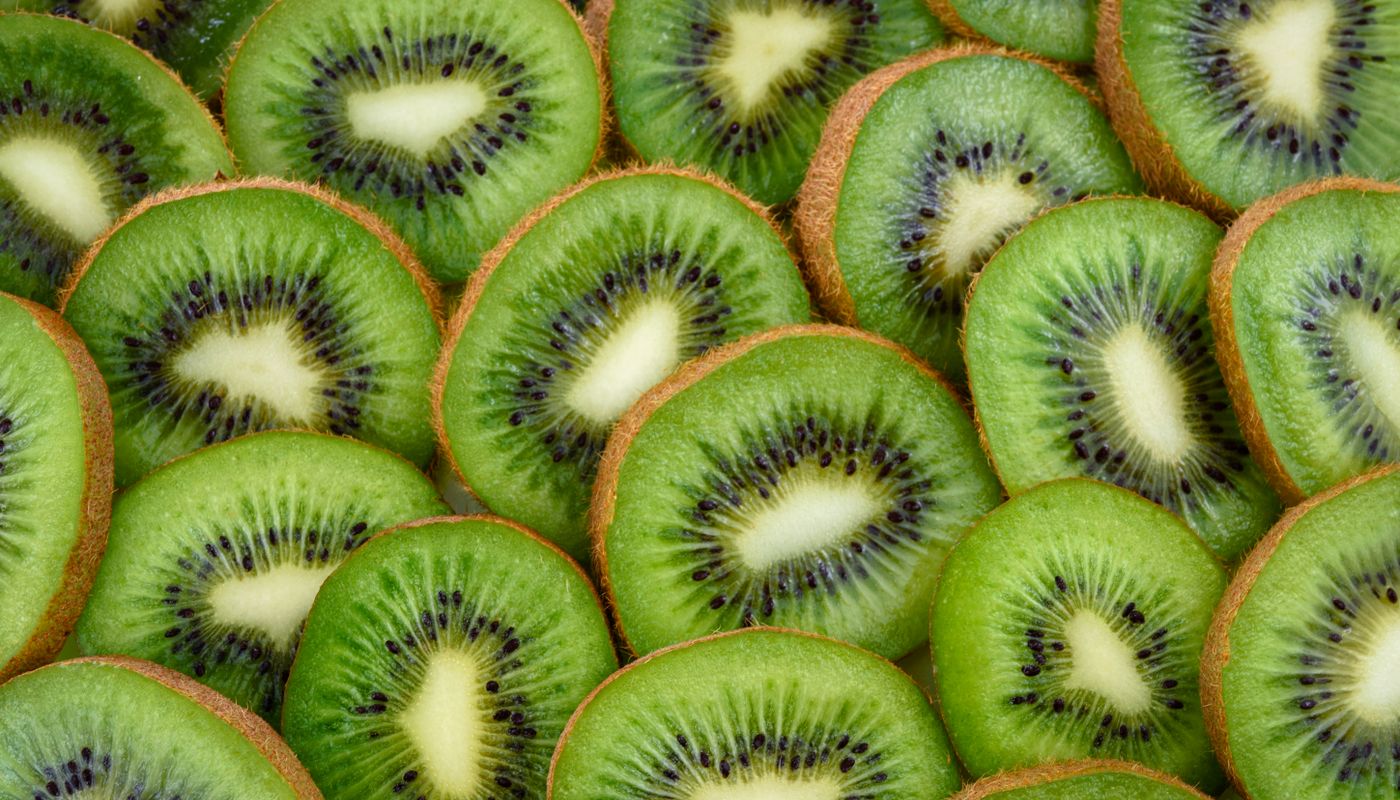
Fresh fruit is the obvious place to start. Kiwi and raspberries go brilliantly with mango and pineapple. Kiwi brings a sharp, slightly tart note, and raspberries add colour plus a different kind of sweetness. Abel and Cole's smoothie bowl recipe tops their mango, pineapple and banana base with kiwi, goji berries and an omega seed mix. Sliced banana, blueberries, passion fruit and pomegranate seeds all work well too.
Granola's the classic for crunch. You can make your own or buy a decent one — look for something with less than 10g of sugar per 100g if you're being careful. Toasted coconut flakes, chopped almonds, pumpkin seeds and hemp hearts all add texture and a bit of extra nutrition. A drizzle of honey or maple syrup is nice if your fruit wasn't quite sweet enough, but taste the base first — you might not actually need it.
How to Get the Consistency Right
The thing most people get wrong with smoothie bowls is the texture. Too thick and your blender seizes up. Too thin and it's basically just a smoothie poured into a bowl. The sweet spot sits somewhere between soft-serve ice cream and thick yoghurt — it should hold its shape on a spoon for a few seconds before slowly sliding off.
Controlling the liquid is the trick. Start with the bare minimum — 60ml of milk or yoghurt — and only add more if the blender genuinely cannot move. Cooking with Manuela's recipe says the mixture "will be very thick" and suggests adding "a little more milk if needed." That's the right way to think about it. You can always add liquid. You cannot take it away.
If you do end up too thin, chuck in a handful more frozen fruit and blend again. A frozen banana is the quickest fix — thickens things up fast. A tablespoon of chia seeds left to sit for five minutes works too; they absorb liquid and help thicken everything. Patience and small adjustments are the way to go, rather than dumping in more liquid and crossing your fingers.
Variations Worth Trying
Once you've nailed the basic version a few times, tweaking it is dead easy. Here are a few I keep coming back to.
With orange juice: BBC Good Food's easiest-ever smoothie bowl uses the juice of one orange alongside the mango, pineapple, banana and yoghurt. The orange adds a citrus brightness that really lifts the whole thing. It does thin the mixture slightly though, so use frozen banana rather than fresh to balance that out.
With protein powder: If you're having this after a workout, a scoop of vanilla or unflavoured protein powder blends in nicely. Patiispage's tropical mango smoothie bowl recipe includes protein powder alongside the frozen fruit, yoghurt and coconut milk. Add it during blending so it's properly incorporated.
Dairy-free version: Swap the yoghurt for coconut yoghurt and use coconut milk or almond milk as your liquid. The tropical flavours work naturally with coconut so you won't miss dairy. Mindful by Sodexo's recipe uses unsweetened almond milk as the base, which keeps things light.
Is a Smoothie Bowl Actually Healthy?
A mango pineapple smoothie bowl can be a genuinely nutritious breakfast, though it really comes down to what goes in it. The base of frozen fruit, yoghurt and a splash of milk gives you vitamins, fibre and protein. Mango's a good source of vitamin C and vitamin A. Pineapple has vitamin C and manganese. Greek yoghurt brings protein and calcium.
Where smoothie bowls go wrong is portion size and toppings. It's easy to pour a massive bowl and pile on granola, honey, coconut flakes and nut butter, and suddenly the calorie count's gone through the roof. A reasonable serving — the amount in most recipes, which makes one or two bowls — is a sensible breakfast. If you're loading it with high-calorie toppings, probably best to treat it as a meal rather than a snack.
Eating a variety of fruits and vegetables as part of a balanced diet is widely recommended, and a smoothie bowl is one way to get a couple of portions in before midday. Worth bearing in mind though that blending fruit breaks down the fibre, so it's not quite the same as eating whole fruit. If you've got specific dietary concerns, have a chat with your GP or a registered dietitian.
Frequently asked questions
Can I make a mango pineapple smoothie bowl the night before?
You can blend the base and stick it in the fridge overnight, but it'll lose some thickness. Give it a stir in the morning and add a handful of frozen fruit to thicken it back up before putting your toppings on. Fresh toppings are best added right before eating.
What can I use instead of coconut milk?
Almond milk, oat milk, regular dairy milk or even orange juice all do the job. The liquid's mainly there to help the blender along, so whatever's in the fridge works. Coconut milk adds a subtle tropical note, but it's not essential.
How do I make this without a high-powered blender?
Leave the frozen fruit on the counter for five to ten minutes before blending. Softens it just enough for a standard blender to cope. You might need to stop and stir a few times. A food processor handles thick mixtures surprisingly well too.
Is a smoothie bowl filling enough for breakfast?
It can be, particularly if you include yoghurt for protein and add toppings like nuts, seeds or granola for staying power. Hungry again by mid-morning? Try adding a scoop of protein powder or having it with a couple of boiled eggs on the side.
Can I use tinned pineapple instead of frozen?
You can, but drain it well and freeze the chunks first. Tinned pineapple in juice is softer and sweeter than frozen, so the texture'll be a bit different. Tinned pineapple in syrup has loads of added sugar, so the fruit-in-juice version's the better bet.
How many calories are in a mango pineapple smoothie bowl?
Depends on your ingredients and portion size. A bowl made with roughly 150g each of frozen mango and pineapple, a banana, a few tablespoons of yoghurt and a splash of milk lands somewhere around 300 to 400 calories before toppings. Granola, nuts and honey will push that up.
The bottom line
A mango pineapple smoothie bowl is one of those breakfasts that feels like more effort than it actually is. Five minutes, a blender, some frozen fruit and a handful of toppings — that's genuinely all it takes. The tropical sweetness of mango and pineapple works beautifully together, and the thick, spoonable texture makes it feel like a treat rather than some health food you're forcing down.
What I really like about this recipe is how flexible it is. Make it with or without banana, use whatever milk's in the fridge, top it with whatever fruit is on offer. You can have it differently every day of the week and never get bored of it.
Here's what I'd suggest: grab a bag of frozen mango and a bag of frozen pineapple this weekend. Keep them in the freezer with a couple of bananas. Next time you want a breakfast that takes almost no effort but makes you feel like you've got your life together, blend them up with a splash of coconut milk and a spoonful of yoghurt, pour it into a bowl, and top it with whatever you fancy. You'll wonder why you didn't start sooner.