Time Flies: How to Fit Healthy Habits Into a Busy Life
TL;DR — It's a common feeling, that there's just not enough time for eating well, moving your body, or looking after yourself. The real trick is to build tiny, consistent habits into the stuff you already do every day. Start by planning your meals around starchy carbohydrates and fruit and veg, like the NHS says. Squeeze in activity wherever you can, maybe taking the stairs, and link new habits to old ones to help them stick.
Key takeaways
- The NHS states the key to a healthy diet is to eat the right amount of calories and base meals on higher fibre starchy carbohydrates.
- The NIDDK recommends fitting in physical activity whenever and wherever you can, such as taking the stairs or getting off the bus a stop early.
- According to Heart Research UK, a study found it takes on average 66 days to make a new habit an automatic part of your routine.
- Vitality UK suggests getting into a rhythm with a healthy habit by being specific about where and when you’ll do it.
- Eating well, getting enough exercise, sleep, and water are core components of building healthy habits.
Time just vanishes, doesn't it? And trying to squeeze healthy eating, a bit of exercise, or even a basic skincare routine into a schedule that's already rammed often feels completely pointless. You're definitely not the only one whose good plans for nutritious meals and quick workouts keep getting pushed to the side by work, family, and just the general chaos of daily life. The thing is, you don't actually need to find massive chunks of free time. It's more about weaving small, clever choices into the minutes you've already got.
This isn't about some dramatic life overhaul that happens overnight. It's about practical, sustainable strategies that actually work for real people with real deadlines. We're going to look at how to make your food work for you, how to get some movement in without needing a full gym session, and how to build routines that actually last, using advice from trusted health organisations.

Start with your plate: simple meal foundations
When you're busy, the first thing that usually goes out the window is a balanced meal. But healthy eating doesn't have to be some complicated, time-sucking project. The NHS puts it simply: the key is to eat the right amount of calories and base your meals on higher fibre starchy carbohydrates like potatoes, bread, rice, or pasta. This gives you steady energy throughout the day. Pair that with at least five portions of fruit and vegetables daily, and you're building a solid foundation.
Think about batch cooking on a Sunday. Roast a tray of mixed vegetables and cook a large portion of brown rice or wholewheat pasta. These become the building blocks for quick lunches and dinners throughout the week. A portion of veg is roughly what fits in your hand, so a handful of cherry tomatoes with your lunch or a side of frozen peas with dinner all count. It's about making the healthy choice the easy choice.
A 15-minute pantry meal formula
Keep tinned beans, chickpeas, and chopped tomatoes in your cupboard. For a quick meal, heat a tin of chickpeas with a tin of chopped tomatoes and a handful of frozen spinach. Serve it over the pre-cooked rice or pasta from your batch cook. Season with a pinch of salt and pepper. This gives you fibre, protein, and vegetables in under 15 minutes, with minimal washing up.
Weave movement into your day
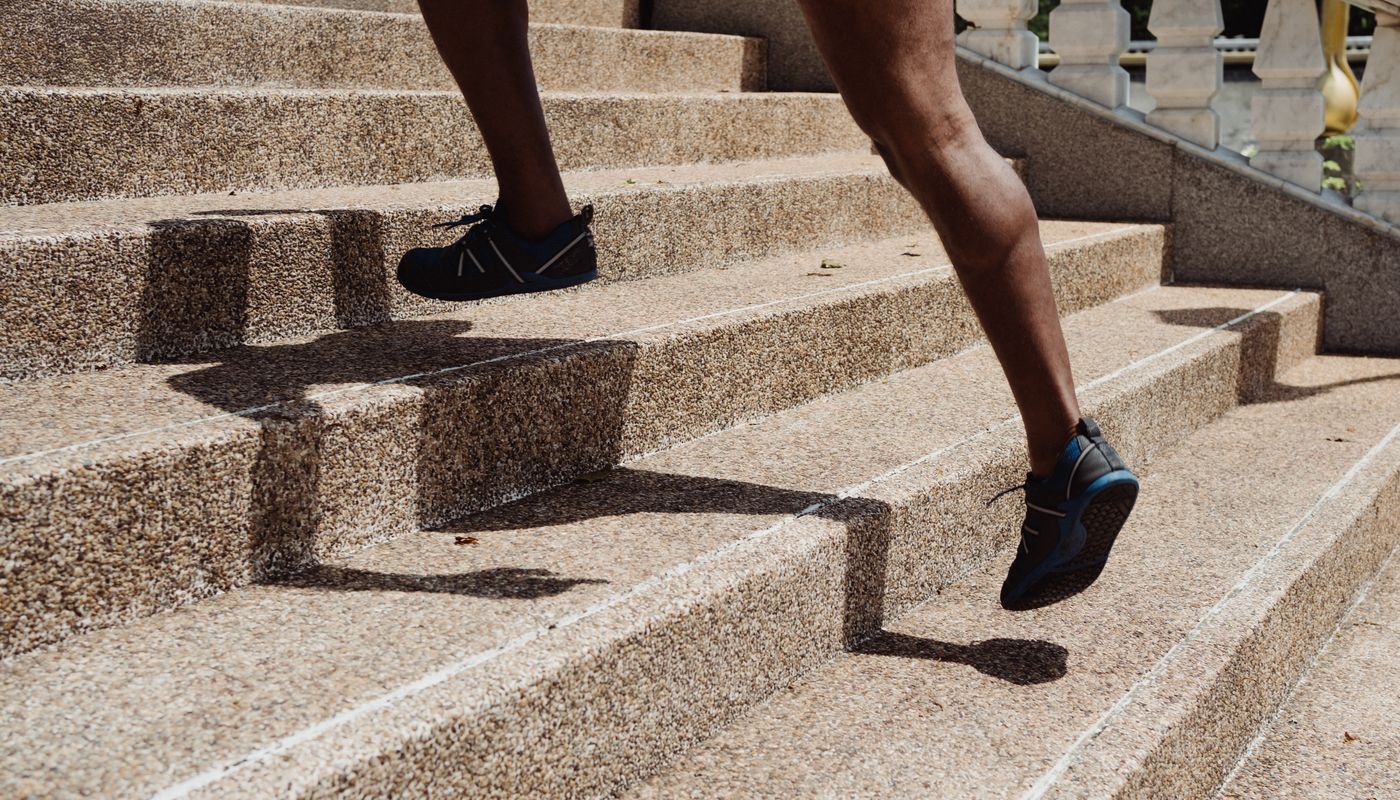
You don't need a 60-minute gym session to be active. The National Institute of Diabetes and Digestive and Kidney Diseases (NIDDK) advises to fit in physical activity whenever and wherever you can. This could mean taking the stairs instead of the lift, or getting off the bus one stop early and walking the rest of the way. These small bursts of activity add up.
Look for “activity pockets” in your day. Could you do a few squats while the kettle boils? Or take a brisk 10-minute walk during your lunch break? The goal is to reduce long periods of sitting. Northwestern Medicine (nm.org) highlights that a healthy daily routine includes keeping a steady sleep schedule, eating regular meals, exercising, and managing stress. Linking a short walk to your lunch break is a perfect example of building a habit into an existing routine.
The 10-minute home workout
You don't need equipment. Try this: 60 seconds of marching on the spot, 60 seconds of bodyweight squats, 60 seconds of standing knee lifts, and 60 seconds of push-ups against a kitchen counter. Repeat twice. It gets your heart rate up and muscles working in the time it takes to make a cup of tea.
The power of habit stacking
Building a new habit is easier when you attach it to something you already do automatically. This is called habit stacking. The dental practice Dental One suggests that when you include something healthy, like taking a vitamin with breakfast or brushing your teeth for the duration of a favourite song, it can make a huge difference. The existing habit (eating breakfast, brushing teeth) acts as a trigger for the new one.
Vitality UK reinforces this, advising to get into a rhythm with a healthy habit by being specific about where and when a certain goal will happen. For example: “After I pour my morning coffee, I will drink a glass of water.” Or “When I sit down to watch TV in the evening, I will do five minutes of stretching.” The specificity removes the need for willpower; the cue does the work for you.
Your habit stacking starter list
- Morning: After you brush your teeth, apply sunscreen.
- Commute: When you get off the bus, walk briskly for the rest of the journey.
- Lunch: Before you eat your sandwich, eat a piece of fruit.
- Evening: When you finish dinner, pack your gym bag or lay out your workout clothes for the next day.
Making it stick: the 66-day reality
We often hear it takes 21 days to form a habit, but research points to a longer timeline. Heart Research UK states that a study found on average it takes 66 days to make a habit an automatic part of your routine. This means you need to be patient and kind to yourself. Missing one day doesn’t mean you’ve failed; it means you’re human.
The key is consistency, not perfection. The Red Cross advises creating a stable and healthy routine to support your mental and physical wellbeing. If your goal is to eat more vegetables, focus on adding one portion to your dinner five days a week, rather than aiming for a perfect seven. Celebrate the small wins. After two months, that habit will feel much more natural, and you can build on it.
Skincare in under two minutes
A skincare routine doesn’t need ten steps and an hour. For busy mornings and nights, focus on the essentials: cleanse, moisturise, and protect. In the morning, a splash of water or a gentle cleanser, followed by a moisturiser with SPF, is enough. At night, cleanse to remove the day’s dirt and grime, then apply a simple moisturiser.
The Stanford School of Medicine, in its advice for healthy habits in your 20s and 30s, emphasises focusing on the basics for long-term health. Your skin is your largest organ, and protecting it from the sun is one of the most effective anti-ageing steps you can take. Keep your products by your toothbrush or bedside table so the routine is impossible to forget.
The two-step evening cleanse
- Remove makeup/sunscreen: Use a reusable cotton pad with a micellar water or cleansing oil.
- Wash: Follow with a gentle, water-based cleanser and lukewarm water. Pat dry and apply moisturiser. This whole process can take less than 90 seconds.
Healthy habits for the whole family
If you have children, your habits influence theirs. The CDC advises that limiting foods with high amounts of saturated fat, added sugar, and salt can help support healthy eating habits for children and teens. This starts with what you bring into the house. Make fruit the easy snack by having a bowl on the counter. Choose wholegrain versions of bread and pasta.
Involve them in the process. Let a child choose a new vegetable to try each week at the supermarket. Get them to help wash salad leaves or stir a pot. Family Centre lists “Getting Active” and “Eating Fresh” as key good habits. A weekend walk or a bike ride counts as family activity, and it’s a chance to connect without screens. You’re not just managing your own time; you’re building a family culture of health.
Frequently asked questions
What are 7 healthy habits?
Based on the sources, seven core habits include: eating a balanced diet based on starchy carbs and vegetables, staying hydrated with water, getting regular physical activity, maintaining a consistent sleep schedule, managing stress, practising good hygiene like handwashing, and limiting sugary and fatty snacks. Building these into a daily routine supports overall wellbeing.
What is the 5-4-3-2-1 healthy lifestyle plan?
This isn’t a plan mentioned in the research pack. A practical approach from the sources is to focus on one habit at a time. For example, start by adding one more portion of vegetables to your day for a week, then add a 10-minute walk the next. Small, sequential steps are more sustainable than trying to change everything at once.
What are 10 good daily habits?
Drawing from the sources, ten good habits could be: drinking water first thing, eating breakfast, including a fruit or vegetable with every meal, taking the stairs, doing a 10-minute activity break, applying sunscreen, tidying your sleep space, packing a healthy snack, spending time outdoors, and taking a few minutes for mindful breathing or a screen break.
How can I make time for healthy habits at home?
Use habit stacking. Link a new habit to an existing one, like doing calf raises while brushing your teeth. Prepare healthy snacks in advance, like chopped carrots in the fridge. Use “activity pockets” like doing stretches during TV adverts. The key is to integrate health into what you’re already doing, not to find extra time.
Are there specific healthy habits for students?
Yes. Students can focus on keeping a regular sleep schedule, even on weekends. Pack a healthy lunch and snacks to avoid relying on vending machines. Use study breaks for a short walk instead of scrolling on your phone. The Stanford advice to focus on exercise, diet, and sleep is particularly relevant for managing academic stress.
How do I start healthy habits for kids?
Lead by example. Eat meals together as a family when possible. Make water the default drink. Involve children in food prep and let them choose fruits and vegetables. The CDC recommends limiting high-sugar and high-salt foods. Make activity fun with family walks, bike rides, or dancing in the living room.
The bottom line
Time will always feel like it’s flying, but you can steer how you spend it. You don’t need to overhaul your life. Pick one tiny, specific habit from this article—like drinking a glass of water before your morning coffee or adding a handful of spinach to your evening meal—and do it tomorrow. According to Heart Research UK, it will take about 66 days for it to feel automatic. Start that clock today. Your future self will thank you for the consistency, not the grand gestures.